The Blog
Insights from a Dual Boarded Reconstructive Plastic Reconstructive and Hand Surgeon in Austin, TX

All Posts

10.9.2026
PAP Flap Breast Reconstruction: The Thigh-Based Option
The PAP flap rebuilds the breast using skin and fat from the upper thigh, an option for patients who cannot use abdominal tissue. Dr. Brian Kelley, an Austin microsurgeon, explains who the thigh suits, how much volume it provides, where the scar sits, how outcomes and patient-reported satisfaction compare with DIEP, and the donor-site trade-offs worth understanding before choosing. Covers candidacy, stacked flap options for more volume, radiation, risks, and recovery.

7.7.2026
SIEA Flap Breast Reconstruction: The Muscle-Sparing Abdominal Option
The SIEA flap rebuilds the breast from lower abdominal tissue without cutting any abdominal muscle or fascia, the least invasive abdominal option. Dr. Brian Kelley, an Austin microsurgeon, explains what the SIEA flap is, how it compares to the DIEP and to thigh-based PAP flaps, why it is only feasible in a minority of patients, what delay procedures can and cannot do, and who is a candidate. Includes monitoring, recovery, and honest limitations.
24.6.2026
BRCA and Breast Reconstruction: A Guide for High-Risk Patients
BRCA1, BRCA2, and other high-risk genes change how breast reconstruction is planned. Dr. Brian Kelley, an Austin reconstructive surgeon, explains how reconstruction differs for genetic-risk patients, the choice between prophylactic and therapeutic mastectomy, nipple-sparing options and the small residual risk in the preserved nipple, implant versus autologous reconstruction, coordination with other risk-reducing surgery, and lifelong monitoring. Written for patients carrying a hereditary cancer mutation who are weighing risk-reducing surgery and reconstruction.

21.6.2026
Nerve Pain After Knee or Hip Replacement: The Overlooked Diagnosis
Persistent pain after knee or hip replacement isn't always the implant. Dr. Brian Kelley, an Austin nerve surgeon, explains the overlooked nerve diagnosis — infrapatellar saphenous neuroma after knee replacement, meralgia paresthetica after hip replacement, and peroneal nerve injury causing foot drop. Covers how to tell nerve pain from mechanical joint problems, why ruling out the joint comes first, who benefits from surgery, and an honest look at the evidence.

20.6.2026
Immediate vs. Delayed Breast Reconstruction: Timing After Mastectomy
Should breast reconstruction happen at the time of mastectomy? What happens if it shouldn't or can't? Dr. Brian Kelley, an Austin reconstructive surgeon, explains immediate vs. delayed timing — when immediate reconstruction is ideal, the specific reasons delayed makes sense, and how the staged tissue-expander pathway differs from both. Covers implant and autologous options at each timing, the critical role of radiation, and the reassuring finding that both paths reach equivalent long-term satisfaction.

17.6.2026
Pre-Pectoral Breast Reconstruction: A Modern Approach to Implants
Pre-pectoral breast reconstruction places the implant above the chest muscle rather than beneath it, eliminating animation deformity and reducing postoperative pain. Dr. Brian Kelley, an Austin reconstructive surgeon, explains the technique, why he uses acellular dermal matrix, how direct-to-implant and staged approaches differ, how radiation factors in, and when sub-pectoral placement still serves patients better — including those without access to fat grafting.

5.6.2026
Nerve Pain After Breast Cancer Radiation and Mastectomy: When Surgery Helps
Struggling with chronic chest or arm pain after breast cancer? Austin-based peripheral nerve specialist and breast reconstruction surgeon Dr. Brian P. Kelley explains how post-mastectomy neuromas and radiation neuritis—not your breast reconstruction — may be the true cause. We discuss evidence-based treatments and options for advanced nerve surgeries like TMR and RPNI. Learn how targeted nerve surgery might provide meaningful pain relief while potentially preserving your breast reconstruction.
2.6.2026
Nerve Transfers vs. Nerve Grafts: How Surgeons Choose
Nerve graft or nerve transfer? Dr. Brian Kelley, dual board certified nerve surgeon in Austin, walks through the two strategies, where each works best, and how the choice is actually made — covering motor and sensory nerves, hand and brachial plexus and lower-extremity considerations, modern adjuncts including processed nerve allograft, and why timing matters. Patient-reported outcomes data and a framework for selecting a surgeon included.

2.6.2026
Breast Reconstruction Coverage in Texas: WHCRA, Medicaid, and Local Resources
Breast reconstruction is protected by federal law, but real coverage gaps remain. Dr. Brian Kelley, an Austin reconstructive microsurgeon, walks through WHCRA, Texas Medicaid (MBCC), Travis County MAP, and the Seton charity care he participates in for patients without standard coverage. The post also covers the Breast Cancer Resource Center, the coverage gray zone for sensate reconstruction and prophylactic lymphedema surgery, and how to appeal when these procedures are denied.

1.6.2026
Painful Neuroma After Prior Surgery: Causes, Treatment, and When to See a Specialist
A painful neuroma after surgery is a focal, treatable cause of chronic post-surgical pain that is often missed. Dr. Brian Kelley, an Austin nerve surgeon, walks through where neuromas form after specific operations — mastectomy and cancer resection, hernia repair, knee and joint surgery, and facial surgery — and what modern treatment looks like, including traditional excision and modern techniques like TMR and RPNI. PRO data and specialist evaluation criteria included.
31.5.2026
Capsular Contracture After Implant Breast Reconstruction
Capsular contracture is the most common complication of implant-based breast reconstruction over time. Dr. Brian Kelley, an Austin reconstructive surgeon, walks through what causes it, when conservative measures help, when surgery is needed, why radiation matters so much, and the three real conversion options — new implants with capsulectomy, conversion to autologous flap reconstruction, or aesthetic flat closure. Patient-reported outcomes data, recovery timelines, and Baker grading included.

31.5.2026
Not a DIEP Candidate? Alternative Flaps for Breast Reconstruction
The DIEP flap is the most common autologous breast reconstruction, but not every patient is a candidate — some are too thin, have had prior abdominal surgery, or prefer a different donor site. Dr. Brian Kelley, a microsurgeon in Austin, walks through the alternatives: PAP, TUG, SGAP and other free flaps; the latissimus dorsi flap; and his work offering autologous reconstruction to charity-care and Travis County MAPs patients who otherwise wouldn't have access.

30.5.2026
Chronic Groin Pain After Hernia Surgery: When a Nerve Is the Cause
Chronic groin pain after hernia repair affects up to 18% of open repair patients, with 10–12% reporting clinically significant pain. Dr. Brian Kelley, an Austin nerve surgeon, walks through how to distinguish nerve injury from mesh-related causes, hernia recurrence, and other contributors, plus treatment options from diagnostic blocks through selective neurectomy, triple neurectomy, and modern adjuncts including TMR and RPNI. Randomized trial outcomes data included.

30.5.2026
Persistent Pain or Loss of Function After Nerve Surgery: When to Seek a Second Opinion
Patients who have had peripheral nerve surgery generally do well, but when surgery doesn't deliver the expected result and significant pain or loss of function persists, the experience is uniquely difficult. Dr. Brian Kelley, a fellowship-trained hand and peripheral nerve surgeon in Austin, explains when a second opinion is reasonable, why specialist experience matters for complex nerve revision, what the evaluation actually involves, and what options exist — including when more surgery is and isn't the answer.

29.5.2026
Breast Implants for Reconstruction: Where Motiva Fits
A board-certified Austin plastic surgeon on what Motiva and other breast implants actually mean for reconstruction — and why augmentation data doesn't necessarily transfer to a post-mastectomy breast.

27.5.2026
Breast Reconstruction After Radiation: Choosing a Durable Option
If radiation is part of your breast cancer treatment, the reconstruction decision becomes a question of durability. The published evidence consistently favors autologous (your own tissue) reconstruction over implants in radiated tissue — both in complication rates and in long-term patient-reported satisfaction. Dr. Brian Kelley, a microsurgeon in Austin and co-author of several studies on radiation and breast reconstruction, explains the evidence, the options, and how to choose a durable result for the long term.

26.5.2026
Revising a Prior Breast Reconstruction: What's Possible?
Many patients who had a breast reconstruction in the past are unhappy with the result or developed a complication and assume they are stuck with it. Usually they are not. Dr. Brian Kelley, a reconstructive microsurgeon in Austin, explains the realistic options for revising a prior reconstruction — cosmetic refinement, converting implants to your own tissue, improving or salvaging a prior flap with other donor sites, or converting to aesthetic flat closure — and what the outcomes data show.

26.5.2026
Sex and Intimacy After Breast Reconstruction: An Honest Conversation
Sex and intimacy after breast reconstruction is one of the most important parts of recovery and the least honestly discussed. Up to 85% of breast cancer patients report sexual health concerns, yet few receive guidance. Dr. Brian Kelley explains what actually changes — sensation loss, body image, the effects of cancer treatment — what surgery can and cannot restore, what the patient-reported outcomes data show, and where to find real help. An honest, evidence-based conversation.

25.5.2026
Targeted Muscle Reinnervation (TMR) for Amputees: A Patient's Guide
For many amputees, the hardest part of life after amputation is the pain. Targeted muscle reinnervation (TMR) is a surgery that reroutes cut nerves to nearby muscles, giving them a target and preventing the painful neuromas behind phantom limb and residual limb pain. Dr. Brian Kelley, trained in nerve surgery at the University of Michigan, explains how TMR works, what recovery involves, and what the patient-reported outcomes data show — including durable pain relief and reduced opioid use.

25.5.2026
WALANT Hand Surgery: Wide-Awake Procedures for Carpal Tunnel and Trigger Finger
WALANT — wide awake local anesthesia no tourniquet — lets common hand procedures like carpal tunnel and trigger finger release be done with the patient fully awake, without sedation, general anesthesia, or a tourniquet. Dr. Brian Kelley explains how the lidocaine-and-epinephrine technique works, why injecting epinephrine into the hand is safe, and how it compares on recovery, cost, and patient-reported outcomes. Randomized data show less postoperative pain, lower analgesic use, and higher satisfaction than conventional anesthesia.

24.5.2026
Aesthetic Flat Closure: Techniques, Outcomes, and the Decision Not to Reconstruct
Not every patient who has a mastectomy wants reconstruction, and choosing to go flat is a valid, increasingly common decision. Aesthetic flat closure is doing that choice well — intentionally contouring the chest for a smooth, flat result. Dr. Brian Kelley explains the techniques, recovery, and outcomes, why most patients don't need a plastic surgeon for it, and the role a plastic surgeon plays in refinement, in converting a reconstruction to flat, and in delayed reconstruction later.

24.5.2026
Implant vs. Autologous Breast Reconstruction: A Patient's Framework for Choosing
Choosing between implant-based and autologous breast reconstruction comes down to a few key questions: whether you need radiation, whether you have adequate donor tissue, and how you weigh a shorter recovery against a more durable result. Dr. Brian Kelley lays out a six-question framework and reviews the patient-reported outcomes data — including large multicenter studies showing autologous reconstruction tends to produce higher long-term satisfaction — alongside the recovery timelines, risks, and complication rates for each pathway.
22.5.2026
TMR vs. RPNI: What Is the Difference?
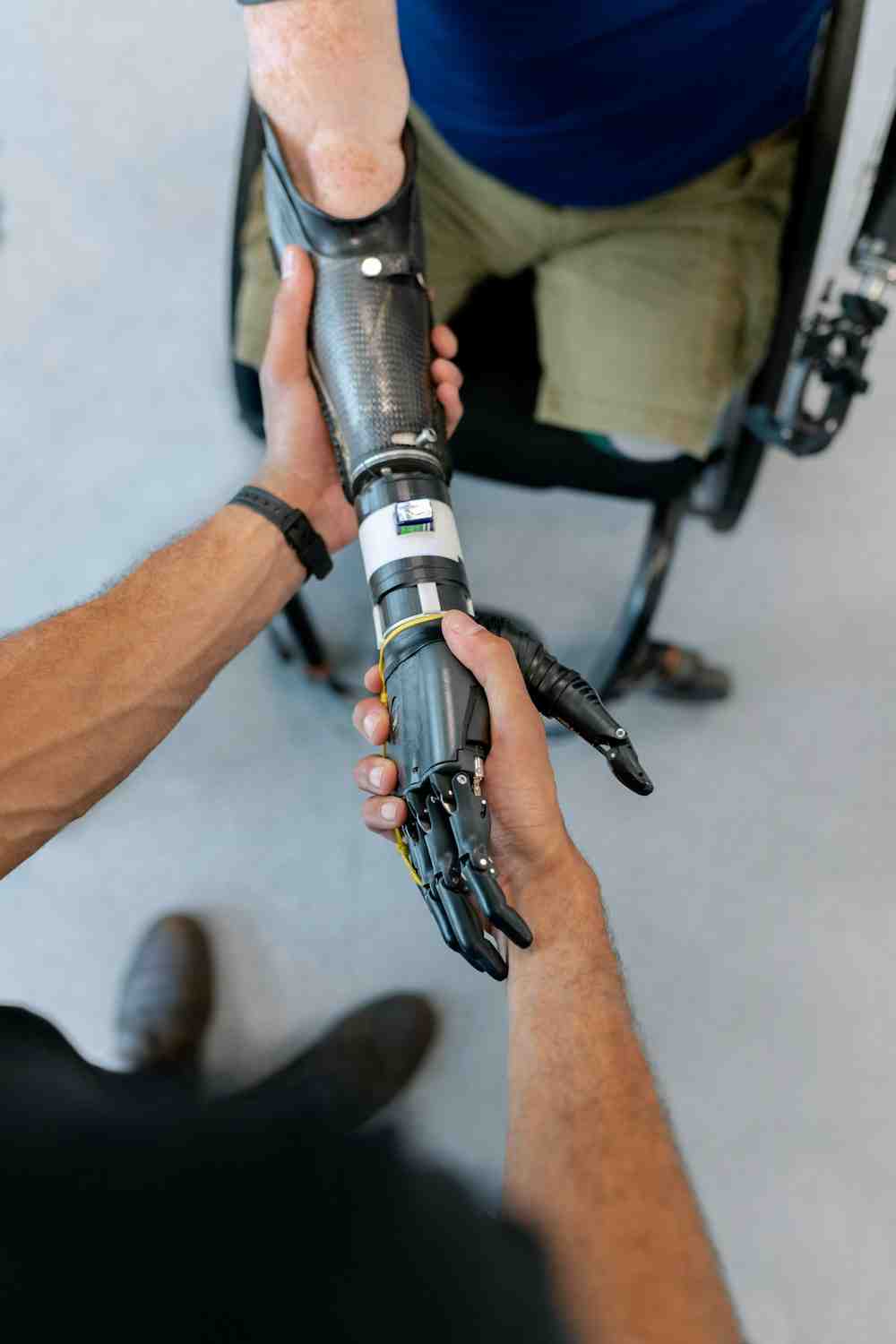
Targeted muscle reinnervation (TMR) and regenerative peripheral nerve interface (RPNI) both give a divided nerve a new target after amputation, preventing painful neuromas and enabling prosthetic control. TMR reroutes the nerve into an existing muscle; RPNI wraps it in a small free muscle graft. Dr. Brian Kelley, trained at the University of Michigan where RPNI was pioneered, explains how the two differ, when each is used, and what the published outcomes show.
17.5.2026
Persistent Symptoms After Carpal Tunnel or Cubital Tunnel Release
Most patients do well after carpal tunnel or cubital tunnel release, but a meaningful minority have symptoms that persist, recur, or never fully resolve — and the experience is discouraging. Dr. Brian Kelley, a hand and peripheral nerve surgeon in Austin, explains why decompression sometimes doesn't produce complete relief, what the published outcomes data actually show, the role of repeat EMG before revision, and what options exist — including when nerve reconstruction is needed.

17.5.2026
Hybrid Breast Reconstruction: Combining Flap and Implant
Hybrid breast reconstruction combines an autologous flap, typically DIEP, with a breast implant placed behind the flap. The technique is offered to patients who want flap-based reconstruction but have limited donor tissue, who want a larger reconstruction than the flap alone could provide, or who have a thin chest wall after radiation. The implant sits in a healthier biological environment than in standard implant reconstruction, with a long-term risk profile closer to cosmetic augmentation.

15.5.2026
DIEP Flap Recovery Timeline: A Detailed Week-by-Week Guide
Dr Brian Kelley outlines the realistic, staged recovery timeline for DIEP flap breast reconstruction. It details expectations from the initial hospital stay and flap monitoring through early home recovery, highlighting drain care, activity restrictions, and potential warning signs. The text explains the gradual return to function, work, exercise, and intimacy over subsequent months. Emphasizing that recovery involves physical, psychological, and social dimensions, the guide addresses long-term considerations, physical therapy, and the timing of refinement procedures to assist patients in preparing for a multidimensional, year-long healing process.

14.5.2026
Autologous Fat Grafting in Reconstructive Surgery
Autologous fat grafting uses the patient's own fat — harvested through low-pressure liposuction, processed, and injected in small aliquots — to refine reconstructive results. The technique is most useful in breast reconstruction for softening implant contour irregularities and post-radiation tissue, in Mohs and oncologic reconstruction for residual contour deficits, and in trauma and burn reconstruction for scar release and volume restoration. Outcomes are favorable in selected patients but require staged sessions because not all injected fat survives. Dr. Brian Kelley, board-certified plastic surgeon in Austin, explains the established reconstructive uses, realistic outcomes, and risks.

13.5.2026
When Your EMG Is Normal but the Pain Is Real
Being told your nerve test is normal when the pain is unmistakably real is frustrating — and the assumption behind it is wrong. A normal EMG does not rule out nerve compression. Dr. Brian Kelley, a hand and peripheral nerve surgeon in Austin, explains why these tests miss many real cases — from carpal and cubital tunnel to small-fiber neuropathy and other compression syndromes — how the diagnosis is actually made, and when treatment is appropriate despite normal testing.
12.5.2026
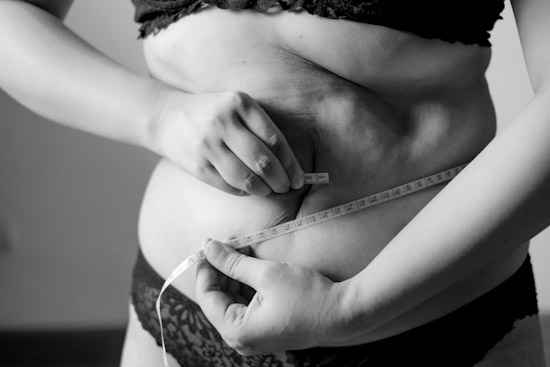
DIEP vs TRAM Flap: Why Muscle-Sparing Matters
Classic operations like TRAM flap helped bring about autologous breast reconstruction, but modern techniques like the DIEP or PAP flap allow for less donor site morbidity. Dr Kelley explores these benefits.

10.5.2026
Finding a Peripheral Nerve Surgeon in Texas
Peripheral nerve problems — nerve injuries, painful neuromas, compression syndromes that haven't responded to treatment, and chronic nerve pain — are among the more specialized problems in surgery, and finding the right surgeon can be difficult. Dr. Brian Kelley, a fellowship-trained nerve and microsurgeon in Austin, explains what peripheral nerve surgery covers, why specialized training and experience matter for these microsurgical procedures, what to look for in a surgeon, and how patients and referring providers can find one in Central Texas.

10.5.2026
What to Expect After RPNI Surgery for Nerve Pain
Regenerative Peripheral Nerve Interfaces (RPNIs) for established nerve pain work by giving divided nerves a new target, but relief develops over months, not weeks. The incision heals quickly; the nerve reorganizes slowly. Dr. Brian Kelley, trained at the University of Michigan where RPNI was pioneered, explains the recovery timeline, how nerve perception changes month by month, what imaging shows during healing, and the realistic outcomes and risks based on real evidence.

10.5.2026
Breast Sensation After Mastectomy: What to Expect, What Surgery Can and Cannot Do
Breast sensation after mastectomy is typically reduced or absent, and a subset of patients develop chronic post-mastectomy pain. Nerve grafting, allograft, and innervated flap techniques can improve sensation in some patients, but normal pre-mastectomy sensation is essentially never restored. Dr Brian Kelley helps to summarize and explain the latest science.

8.5.2026
Lymphovenous Bypass for Breast Cancer Lymphedema: Evidence, Outcomes, and Coverage
Lymphedema is a dreaded long-term affect of lymph node dissection in cancer surgery, such as breast cancer. Modern surgical techniques may help to prevent or alleviate those symptoms but surgeons aren't sure what the full utility of these treatments may be. We explore the background and offer our thoughts on when these surgeries might be right for patients.
2.5.2026
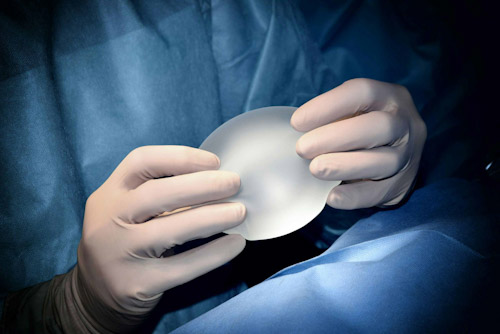
A Closer Look at Implant-Based Breast Reconstruction
An overview of the history, latest trends, and controversies shaping breast implants and breast reconstruction. Breast Implants and Implant-Based Reconstruction in Austin, TX

1.5.2026
DIEP Flap Breast Reconstruction: A Surgeon's Guide
A surgeon's perspectives on DIEP flap breast reconstruction and a patient's journey to healing.
Want to learn more?
Book a consultation