Autologous Fat Grafting in Reconstructive Surgery
Autologous fat grafting uses the patient's own fat — harvested through low-pressure liposuction, processed, and injected in small aliquots — to refine reconstructive results. The technique is most useful in breast reconstruction for softening implant contour irregularities and post-radiation tissue, in Mohs and oncologic reconstruction for residual contour deficits, and in trauma and burn reconstruction for scar release and volume restoration. Outcomes are favorable in selected patients but require staged sessions because not all injected fat survives. Dr. Brian Kelley, board-certified plastic surgeon in Austin, explains the established reconstructive uses, realistic outcomes, and risks.

Introduction
Autologous fat grafting — also called lipofilling, fat transfer, or lipoinjection — has become one of the more useful tools in reconstructive surgery over the past two decades. The technique uses the patient's own fat, harvested from a donor area through low-pressure liposuction, processed, and injected in microscopic aliquots into a recipient site that needs additional soft tissue volume or contour improvement. It is most commonly used to refine the results of breast reconstruction, to soften post-radiation deformities, and to correct contour irregularities after cancer or trauma surgery.
I practice as a dual board-certified plastic and hand surgeon in Austin, Texas, as an Affiliate Faculty Professor at Dell Medical School at The University of Texas at Austin, and as a partner at the Seton Ascension Institute for Reconstructive Plastic and Hand Surgery. Fat grafting is part of the reconstructive toolkit I use across breast reconstruction, oncologic reconstruction, and selected trauma cases. This post covers the established reconstructive uses where the published literature supports the technique, the realistic outcomes, and the risks worth understanding before proceeding.
This post focuses on reconstructive applications. Fat grafting also has cosmetic uses (facial rejuvenation, hand rejuvenation, and others), but those are outside the scope of this discussion. It also has applications — large-volume cosmetic augmentation, fat grafting to specific anatomic sites, and stem cell therapies derived from adipose tissue — where the evidence base is mixed or the safety profile is concerning. Those are not covered here either. The focus below is on established reconstructive uses where the literature supports the technique in well-selected patients.
How Fat Grafting Works
The technique is conceptually simple, but the execution requires attention to detail at every step.
Harvest. Adipose tissue is harvested from a donor site — most commonly the abdomen, flanks, or outer thighs, selected based on where the patient has accessible adipose tissue and where the donor site contour can be improved as a secondary benefit. The harvest uses low-pressure liposuction, typically with smaller-bore cannulas and lower vacuum than aesthetic liposuction, to preserve the viability of the adipose cells.
Processing. The harvested fat is then processed to remove blood, oil, and saline before reinjection. Several processing methods are in routine use, including decantation, centrifugation, washing, and proprietary closed-system devices. I typically use a washing system to gently clean the cells and remove fat and blood.
The published literature does not strongly favor one processing method over others; the consistent principle is to remove non-viable components while preserving viable adipocytes and the surrounding stromal vascular fraction.
Injection. The processed fat is injected into the recipient site in microscopic aliquots through small-bore cannulas, using a fanning technique that distributes the injected fat across multiple tissue planes. The principle is that small parcels of fat distributed widely have access to a nearby blood supply and are more likely to survive than larger pockets that would have inadequate diffusion to the central tissue.

Survival biology. Once injected, the fat survives initially by diffusion from the surrounding tissue, then becomes revascularized through ingrowth of new capillaries from the recipient bed. Not all of the injected fat survives. Published series report variable retention rates depending on technique, recipient site, and patient factors, but a range of roughly 50% to 70% retention is commonly cited. This is why fat grafting is often performed in multiple sessions — the first session establishes a vascularized graft that the next session builds on, achieving cumulative volume improvement over time.
Established Reconstructive Uses
Breast Reconstruction Refinement
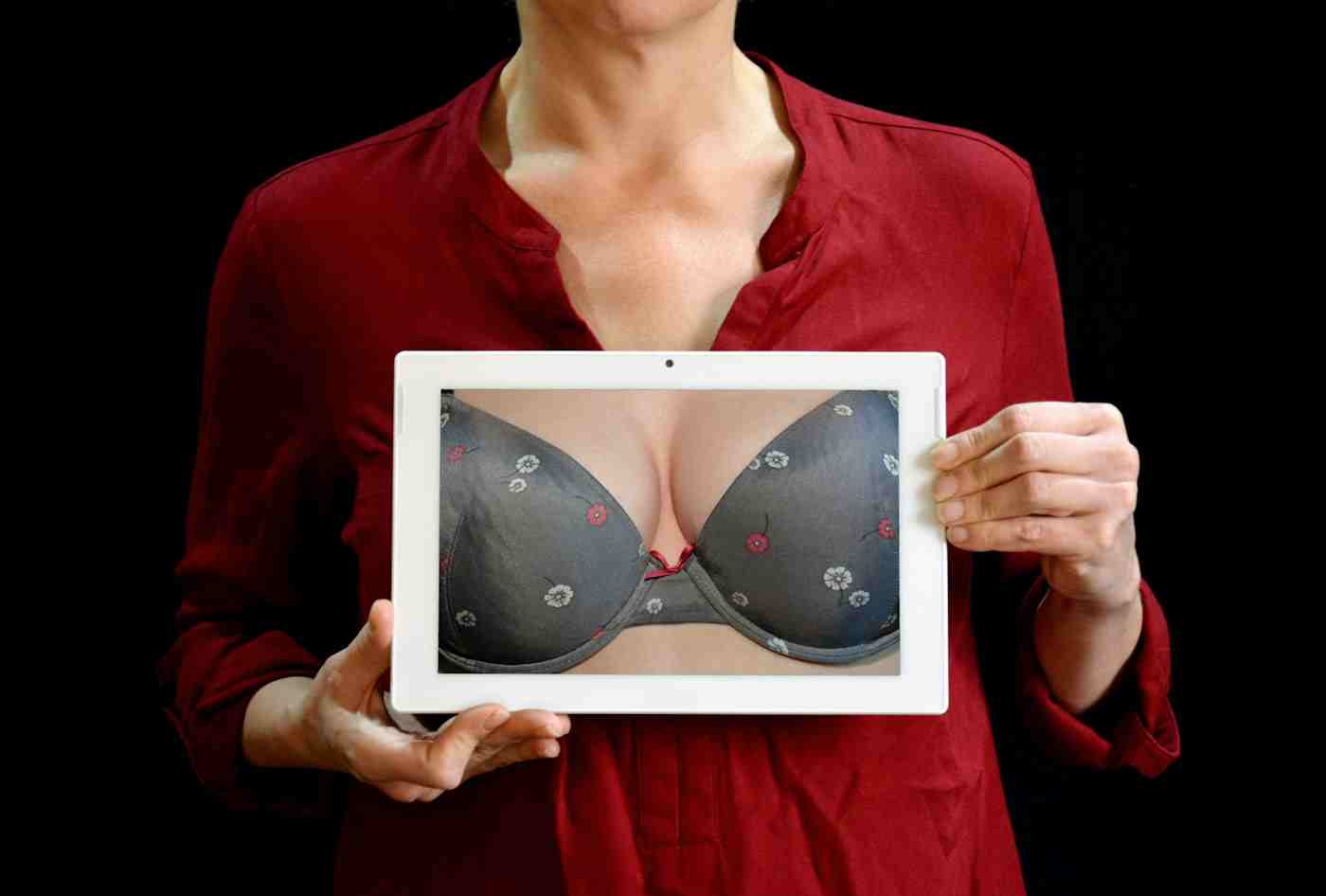
The most common reconstructive use of fat grafting in my practice is refinement of breast reconstruction. After implant-based reconstruction, fat grafting addresses three recurring problems: visible rippling at the upper pole or medial border, abrupt step-offs where the implant transitions to native chest wall tissue, and a thin soft-tissue envelope that does not adequately disguise the implant edges. Fat grafting creates a biological buffer between the implant and the skin, smoothing contour and improving tactile softness.
After autologous reconstruction (DIEP flap or other), fat grafting refines contour at the flap edges, fills areas of mild fat necrosis or contour irregularity, and corrects asymmetries between the reconstructed and contralateral breasts. Most patients undergoing autologous reconstruction undergo at least one fat grafting session as part of the staged refinement process, typically several months after the initial reconstruction once swelling has resolved and the flap has matured.
Post-Radiation Soft Tissue Improvement
This is the application where fat grafting offers something fundamentally different from other reconstructive techniques. Radiation produces tissue fibrosis, microvascular damage, and chronic inflammation that compromise soft tissue quality for years after treatment.
The systematic review I led on autologous breast reconstruction in the setting of radiotherapy, published in Annals of Surgical Oncology, examined the complication profile of working in irradiated tissue and reported a pooled flap fibrosis and contracture rate of 27% in irradiated flaps.1 The parallel systematic review of implant reconstruction in the radiation setting reported reconstruction failure rates approaching 20% with either pre- or post-reconstruction radiotherapy.2 Radiation changes the reconstructive calculus across the board.
In selected patients, fat grafting can soften the firmness of irradiated tissue, improve overlying skin quality, and reduce contour irregularity in radiated reconstructions. The biological mechanism is thought to involve both the volume-filling effect of the graft itself and the regenerative effect of adipose-derived stromal vascular fraction cells, which can promote new blood vessel formation in the surrounding tissue. The clinical effect is often modest from a single session and accumulates over several staged sessions. Patients with severe radiation damage typically benefit from sequential, low-volume grafting sessions rather than single large-volume procedures.
Oncologic Defect Refinement After Mohs and Surgical Oncology Resection
Patients who have undergone Mohs surgery, wide local excision of melanoma, or other oncologic resections on the face, scalp, trunk, or extremities sometimes have residual contour irregularity even after well-executed primary reconstruction. Fat grafting can address shallow contour deficits, soften scar-tissue adhesions, and improve the cosmetic result of the original reconstruction. This is typically a secondary or tertiary procedure performed once the primary reconstruction has healed.
Trauma and Burn Reconstruction
Patients with healed traumatic injuries or burn scars often have contour deficits, depressed scars, and tethered tissue planes that limit function or appearance. Fat grafting addresses these by filling the deficit, releasing scar adhesions through the mechanical action of the injection itself, and providing softer tissue between the scar and overlying skin. The technique is particularly useful for burn scar release and for selected trauma scars where surgical revision alone is unlikely to produce a satisfactory result.
Extremity Reconstruction Refinement
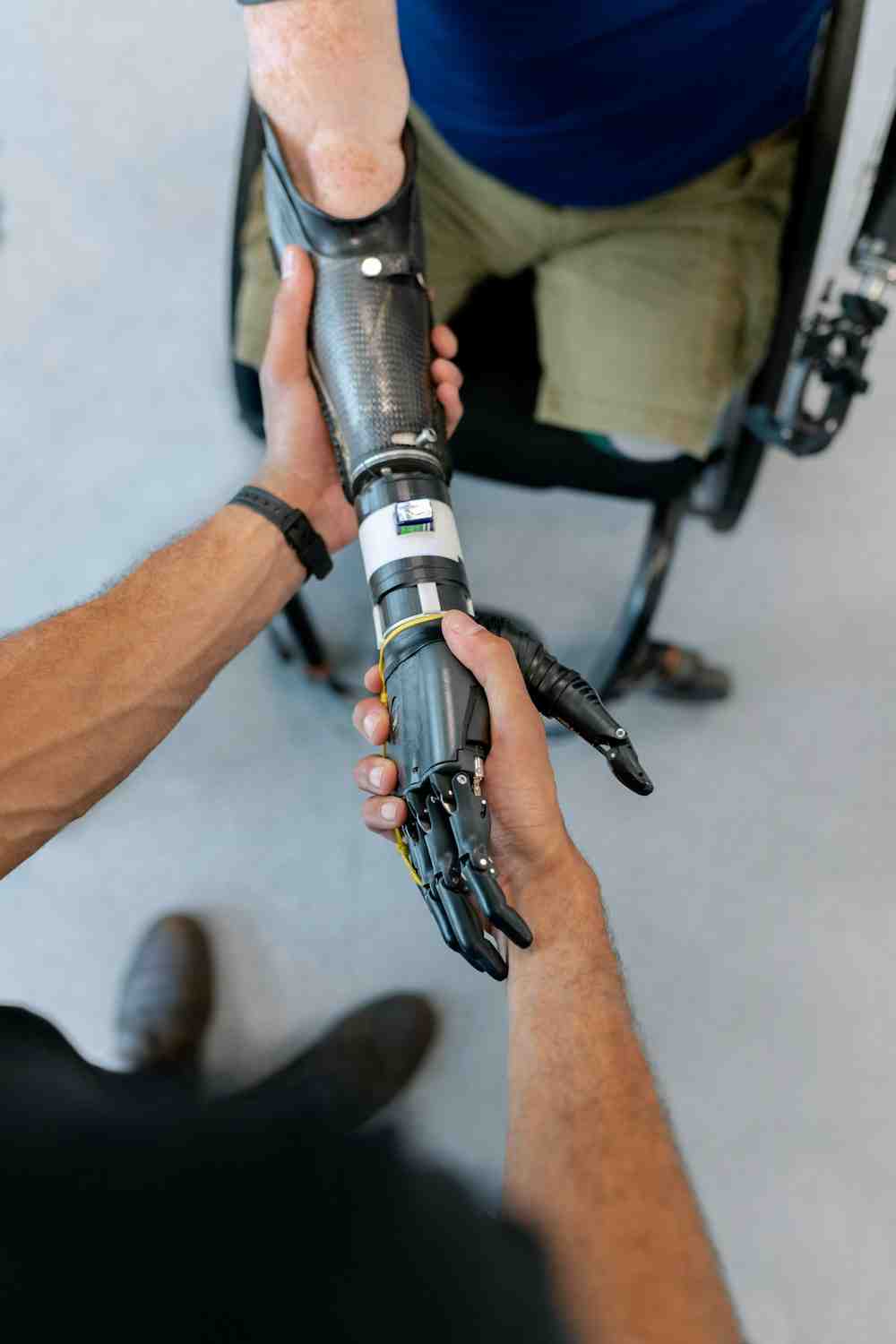
After major extremity reconstruction — limb salvage, free flap coverage, or hardware-related procedures — fat grafting can refine contour and improve the appearance of the reconstructed area. This is typically considered after the primary reconstruction has healed and any adjuvant therapy is complete.
Cosmetic Surgery
Although not a large part of my practice, there are many practical and experimental uses for autologous fat grafting. Breast augmentation can be accomplished with fat graft alone especially for small augmentations. Permanent fillers for atrophic regions of the body are also commonly performed with fat grafting, such as facial and hand fat atrophy.
Outcomes
The published outcomes data for fat grafting in reconstructive applications are generally favorable but appropriately heterogeneous. The technique is meaningfully useful for the established indications above, with most patients reporting improvement in the specific problem being addressed. The honest framings:
Retention is partial. Not all of the injected fat survives. Published retention rates vary, and patients should expect that the immediate post-injection result will be larger than the final stable result several months later. This is not a complication; it is the expected biology.
Multiple sessions are often required. Most reconstructive fat grafting outcomes are achieved over two to three sessions rather than one. The first session establishes a vascularized graft; subsequent sessions build on it. Patients pursuing fat grafting as part of a reconstructive plan should expect a staged approach rather than a single procedure.
Results are not permanent in the absolute sense. Grafted fat that survives initial revascularization becomes essentially permanent tissue in most cases, behaving like the surrounding native fat. However, the grafted fat responds to weight gain and weight loss the way other adipose tissue does, and significant weight changes after grafting can alter the reconstructive result.
Regenerative effects are real but not curative. The improvement in irradiated tissue quality after fat grafting is real and reproducible in the clinical literature. It is not a cure for radiation damage. Patients with severe radiation damage may improve substantially with fat grafting but will not return to pre-radiation tissue quality. The realistic framing is improvement, not restoration.
Risks
Fat grafting is generally well tolerated when performed appropriately by an experienced surgeon. Recognized risks include:
Donor site complications. Bruising, swelling, and temporary contour irregularity at the harvest site are common and expected. Rare donor site complications include hematoma, seroma, and persistent contour irregularity requiring revision.
Recipient site complications. Fat necrosis — firm, sometimes painful nodules within the grafted area — can occur when injected fat does not survive and becomes a focus of inflammation. Most fat necrosis nodules are small and resolve over time; occasionally they require excision. Infection at the recipient site is uncommon but possible.
Calcifications. Grafted fat that undergoes necrosis can calcify and become visible on imaging. In the breast specifically, this matters because calcifications in a reconstructed breast can complicate post-reconstruction surveillance imaging. Coordination with the breast imaging team is appropriate, and patients should ensure their imaging records identify previous fat grafting so that radiologists can interpret calcifications in context.
Volume unpredictability. As discussed in outcomes, retention is partial and variable. Patients should expect that the final result will require some adjustment and possibly additional sessions.
Embolic complications. Fat embolism is a rare but recognized complication of fat grafting, primarily associated with specific anatomic sites and techniques (most prominently buttock fat grafting).3 For the reconstructive applications discussed in this post — breast, face, extremity, and chest wall — the embolic risk is meaningfully lower than for higher-risk cosmetic applications, but it is not zero. Technique matters: low-pressure injection, blunt-tip cannulas, and avoidance of deep vascular planes minimize this risk.
Related Topics
- DIEP flap breast reconstruction]
- Implant-based breast reconstruction]
- Blog Post on Implant-based breast reconstruction
- Blog Post on Implant-based breast reconstruction
- Oncoplastic breast reconstruction
- Direct-to-Implant Breast Reconstruction
- Facial and Mohs reconstruction
- Extremity reconstruction and limb salvage
- Lymphovenous Bypass for Post-Mastectomy Lymphedema
Written by Brian P. Kelley, MD — Dual Board-Certified Plastic & Hand Surgeon
Affiliate Faculty Professor, Dell Medical School at The University of Texas at Austin
Partner, Seton Ascension Institute for Reconstructive Plastic and Hand Surgery
Medically reviewed: May 14, 2026 · Last updated: May 14, 2026
Educational content. Not a substitute for individualized medical evaluation.
Frequently Asked Questions
For most patients undergoing post-mastectomy breast reconstruction, fat grafting alone is not a substitute for implant or flap reconstruction. Fat grafting is most useful as refinement after primary reconstruction. Patients seeking total breast reconstruction with fat grafting alone are pursuing an approach that requires multiple sessions over many months and is more limited in the volume that can be achieved.
Most reconstructive applications require one to three sessions, scheduled several months apart. The exact number depends on the volume of correction needed and the response of the recipient tissue. The plan is individualized and adjusted based on how the first session heals.
Grafted fat that survives initial revascularization becomes essentially permanent tissue and lasts indefinitely. However, the grafted fat responds to weight gain and weight loss like other adipose tissue, so significant weight changes after grafting can alter the result.
Yes, in many cases, but not at the time of mastectomy given the lack of adequate blood supply. Fat grafting is commonly performed at the same time as planned implant exchange, contralateral symmetry procedures, or other refinement surgeries. Combining procedures reduces the total number of operations and is often the most efficient way to achieve the final reconstructive result.
Grafted fat can produce calcifications visible on mammography or other imaging, which can complicate post-reconstruction surveillance. The coordination with your breast imaging team is important — your radiologist should know that fat grafting has been performed so that calcifications can be interpreted appropriately. This is a known issue rather than a contraindication, and most reconstructive patients undergoing surveillance imaging do so without complication.
Fat grafting performed as part of breast reconstruction after mastectomy is generally covered under the federal Women's Health and Cancer Rights Act, which requires insurance coverage of reconstruction following mastectomy for breast cancer. Coverage of fat grafting for other reconstructive applications varies by indication and by insurer. The practice can verify coverage before scheduling surgery.
The stromal vascular fraction in autologous fat contains adipose-derived progenitor cells that contribute to graft survival and revascularization, and the regenerative effects of fat grafting in irradiated tissue are thought to involve these cells. The published literature supports this biology. However, isolated stem cell therapies derived from adipose tissue and marketed for various indications are a different category of treatment, and many of those uses lack FDA clearance and adequate evidence.4 Routine reconstructive fat grafting using the patient's own processed fat is well established; isolated stem cell therapy products are not the same thing.
1. Kelley BP, Ahmed R, Kidwell KM, Kozlow JH, Chung KC, Momoh AO. A systematic review of morbidity associated with autologous breast reconstruction before and after exposure to radiotherapy: are current practices ideal? Annals of Surgical Oncology. 2014;21(5):1732–1738. PMID: 24473643.
2. Momoh AO, Ahmed R, Kelley BP, Aliu O, Kidwell KM, Kozlow JH, Chung KC. A systematic review of complications of implant-based breast reconstruction with prereconstruction and postreconstruction radiotherapy. Annals of Surgical Oncology. 2014;21(1):118–124. PMID: 24081801.
3. American Society of Plastic Surgeons. Gluteal Fat Grafting Safety Advisory and Patient Safety Resources. Available at: https://www.plasticsurgery.org/.
4. U.S. Food and Drug Administration. Consumer Alert on Regenerative Medicine Products Including Stem Cells and Exosomes. Available at: https://www.fda.gov/consumers/consumer-updates/fda-warns-about-stem-cell-therapies.
5. American Society of Plastic Surgeons — fat grafting and breast reconstruction resources: https://www.plasticsurgery.org/documents/health-policy/Positions/ASPS-Statement_Stem-Cells-Fat-Grafting.pdf.

Want to learn more?
Book a consultation