Sex and Intimacy After Breast Reconstruction: An Honest Conversation
Sex and intimacy after breast reconstruction is one of the most important parts of recovery and the least honestly discussed. Up to 85% of breast cancer patients report sexual health concerns, yet few receive guidance. Dr. Brian Kelley explains what actually changes — sensation loss, body image, the effects of cancer treatment — what surgery can and cannot restore, what the patient-reported outcomes data show, and where to find real help. An honest, evidence-based conversation.
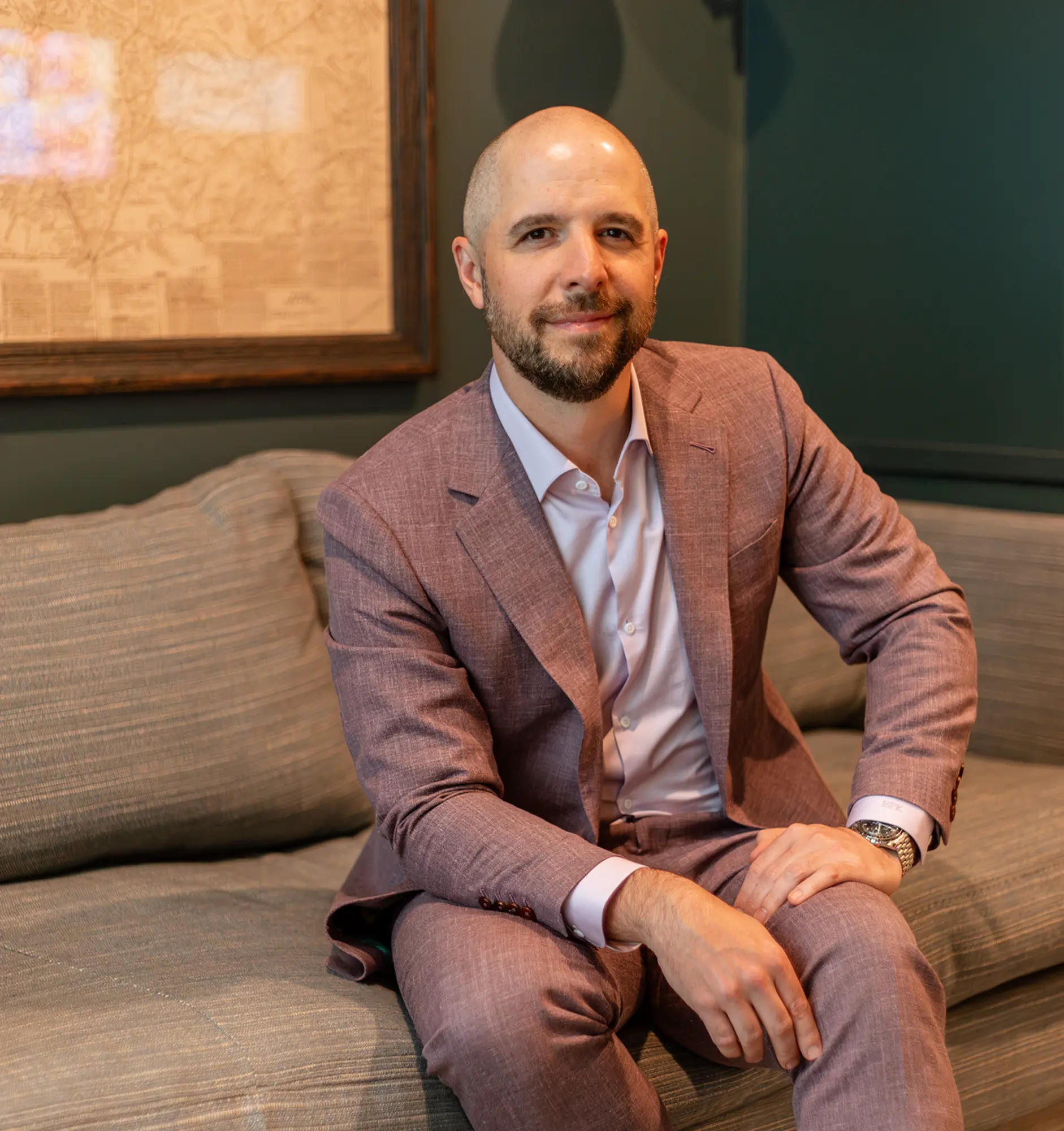

Written by Brian P. Kelley, MD — Dual Board-Certified Plastic & Hand Surgeon
Affiliate Faculty, Dell Medical School at The University of Texas at Austin
Seton Ascension Institute for Reconstructive Plastic and Hand Surgery
Medically reviewed: May 25, 2026 · Last updated: May 25, 2026
Educational content. Not a substitute for individualized medical evaluation.
Introduction
Sex and intimacy after breast reconstruction is one of the most important topics in a patient's recovery and one of the least openly discussed. Patients are counseled in detail about surgical details - flap survival, drain care, and scar healing -but the conversation about how reconstruction affects their intimate lives is too often reduced to a single line about when it is physically safe to resume sexual activity. That is a disservice, because the data are clear that this is one of the dimensions of recovery patients care about most and struggle with most.
I practice as a dual board-certified plastic and hand surgeon in Austin, Texas, as an Affiliate Faculty Professor at Dell Medical School at The University of Texas at Austin, and as a partner at the Seton Ascension Institute for Reconstructive Plastic and Hand Surgery. As senior author of a 2024 systematic review on breast sensibility published in the Journal of Plastic, Reconstructive & Aesthetic Surgery,1 I have spent time with the specific question of what sensation patients actually retain or recover after mastectomy and reconstruction — and the honest answer is more complicated, and more important, than most patients are told. This post is the fuller conversation: what changes, what the surgery can and cannot restore, what the published patient-reported outcomes data show, and where to find help.
Why This Conversation Matters
The scale of this issue is larger than most patients realize. In the published literature, up to 85% of patients with breast cancer report sexual health concerns, yet these concerns are frequently not addressed adequately by their providers.2 Sexual dysfunction after breast cancer treatment is common, underdiscussed, and undertreated — not because it is unimportant, but because both patients and clinicians often find it difficult to raise.
There is even evidence that the difficulty of the topic distorts our data. A 2024 study examining nonresponse patterns found that the Sexual Well-Being section of the BREAST-Q — the validated questionnaire used to measure these outcomes — has a notably higher nonresponse rate than other sections, meaning the patients struggling most may be the least likely to answer the questions about it.3 In one Japanese long-term cohort, the response rate for the sexual well-being questions fell from 60% in the first postoperative year to about 34% by year five.4 The silence in the data mirrors the silence in the exam room. Naming the topic directly is the first step toward addressing it.
What Actually Changes: Sensation and the Body
The most important physical change affecting intimacy after mastectomy and reconstruction is the loss of breast and nipple sensation. A standard mastectomy divides the small sensory nerves that supply the breast skin and the nipple-areolar complex. Reconstruction — whether with an implant or with the patient's own tissue (a flap) — does not by itself restore those nerves. The reconstructed breast may look like a breast, but it is typically numb or markedly reduced in sensation.
This matters for intimacy because, for many people, the breast and nipple are part of sexual response. A reconstructed breast that does not feel touch the way the natural breast did changes the experience of intimacy in a way that is rarely discussed before surgery. Some sensation in the surrounding chest wall often returns gradually over months to years through ingrowth from adjacent skin, but it is usually incomplete and rarely matches the pre-mastectomy state.
The honest framing here is the central finding of the systematic review I helped lead: the field has not yet established normative measurements for breast sensation, which means that any surgeon who promises to "restore sensation" is overpromising relative to what the science can currently support.1 Sensate reconstruction techniques — which reconnect a nerve in a flap to a recipient nerve at the chest wall — can improve the likelihood of some sensory recovery in appropriate patients, but normal pre-mastectomy sensation is essentially never fully restored, and the durability of recovered sensation over many years is not yet well documented. Patients deserve this honest framing rather than marketing language.
Beyond sensation, several other physical factors affect intimacy after reconstruction: scars and how a patient feels about them, the firmness or different feel of an implant or flap, changes in how the body is positioned comfortably during the early recovery, and the broader effects of cancer treatment — chemotherapy-induced menopause, vaginal dryness and pain from endocrine therapy, fatigue, and body-image changes — that often matter as much as or more than the reconstruction itself.
What the Patient-Reported Outcomes Data Show
This is where the evidence has become genuinely informative, and where honesty requires sharing findings that are not always flattering to reconstruction.
The largest and most rigorous recent analysis comes from Memorial Sloan Kettering. In a study of 15,857 patients using the Sexual Well-Being section of the BREAST-Q, patients who underwent breast-conserving therapy (lumpectomy) reported significantly higher sexual well-being than patients who underwent mastectomy with reconstruction, and this difference persisted from before surgery through five years afterward.2 The finding has been corroborated by propensity-matched analyses and by international cohorts using the same instrument, which consistently find that breast conservation tends to preserve sexual well-being better than mastectomy with reconstruction, while reconstruction after mastectomy still preserves sexual and psychosocial well-being better than mastectomy without reconstruction.5
This does not mean reconstruction is a poor choice — for many patients, mastectomy is necessary for oncologic reasons and is not optional, and among patients who have a mastectomy, reconstruction is associated with better psychosocial and sexual well-being than no reconstruction. It does mean that patients facing a genuine choice between breast conservation and mastectomy-with-reconstruction deserve to know that the sexual well-being data tend to favor conservation, as part of a fully informed decision. The surgical literature itself increasingly calls for exactly this kind of honest counseling.
Within reconstruction, the differences among techniques (implant versus autologous, for example) on sexual well-being specifically are smaller and less consistent than the broader difference between conservation and mastectomy. What the data point to most clearly is that mastectomy itself — through the loss of sensation and the change in the body — is the dominant factor, more than which reconstructive technique is chosen.
Recovery and Timeline for Resuming Intimacy
The physical timeline and the emotional timeline are different, and both deserve attention.
Physical readiness. Most patients are physically cleared to resume sexual activity around four to six weeks after reconstruction, once the surgical sites have healed enough to tolerate movement and pressure without risk to the reconstruction. In the early weeks of resumption, position adjustments to avoid direct pressure on the reconstructed breast or, in autologous reconstruction, the abdominal or other donor site, are sensible. This timeline varies with the type of reconstruction, whether it was unilateral or bilateral, and the individual's healing, so your surgeon's specific guidance takes precedence.
Emotional and relational readiness. This timeline is more variable and often longer than the physical one. Adjusting to a changed body, to reduced sensation, to scars, and to the broader experience of cancer treatment is a process measured in months, not weeks. The patient-reported outcomes data reflect this: sexual well-being scores evolve over years, not weeks, and the trajectory is individual. There is no "correct" timeline for feeling like yourself again, and patients should not measure their recovery against anyone else's.
A practical point worth stating plainly: resuming intimacy is not a single event but a gradual process, and it is normal for it to involve some trial, some discomfort, and some honest conversation with a partner before it feels comfortable again. Patients who expect this to be gradual are generally better prepared than those who expect to simply pick up where they left off.
What Surgery Can and Cannot Do
To be direct about the limits and the possibilities:
What reconstruction can do. Rebuild the breast mound and restore the clothed silhouette and much of the unclothed appearance. Improve body image and psychosocial well-being relative to mastectomy without reconstruction. In appropriate patients, sensate (reinnervation) techniques can improve the likelihood of recovering some breast sensation, though not to the pre-mastectomy baseline.
What reconstruction cannot reliably do. Restore normal breast and nipple sensation. Restore the breast's role in sexual response to its pre-cancer state. Address the non-breast contributors to sexual dysfunction after breast cancer — vaginal dryness and pain from endocrine therapy, chemotherapy-induced menopause, fatigue, and the psychological weight of a cancer diagnosis — which often require their own dedicated treatment.
This last point is important. A meaningful portion of sexual difficulty after breast cancer has nothing to do with the breast itself and everything to do with the systemic effects of cancer treatment. No reconstructive operation addresses those, which is why a surgical lens alone is insufficient and why sexual health after breast cancer is best approached as a whole-person issue.
Where to Find Help
Sexual health after breast cancer is a legitimate, treatable medical issue, and patients should not feel they must manage it alone or simply accept it. The avenues that genuinely help:
Sexual medicine and survivorship clinics. Many cancer centers now have dedicated sexual health or survivorship programs staffed by clinicians who specialize in exactly these issues. Notably, the published data show that sexual medicine consultation remains underused, even at major centers — which means patients often have to ask for the referral rather than wait for it to be offered.
Treatment for the physical contributors. Vaginal dryness and pain from endocrine therapy, for example, are treatable with specific interventions. These are within the scope of gynecology, sexual medicine, and survivorship care.
Counseling and therapy. Individual or couples counseling with a therapist experienced in cancer survivorship can help with body image, communication with a partner, and the emotional adjustment that the surgical timeline does not address.
Honest conversation with your care team. Raising the topic with your surgeon, oncologist, or primary care physician is reasonable and appropriate, and it often opens the door to the referrals and treatments above.
Honest conversations with your intimacy partner. Raising the topic with your loved ones is important and seeking help together keeps communication open and honest.
Reputable patient-facing resources from organizations including Breastcancer.org, the Susan G. Komen foundation, and the Breast Cancer Research Foundation provide further guidance and are linked at the end of this article.
Related Topics
- Breast reconstruction overview
- Breast sensation after mastectomy
- Implant vs. autologous breast reconstruction: how to choose
- DIEP flap recovery timeline
- Oncoplastic breast reconstruction
Frequently Asked Questions
Most patients are physically cleared to resume sexual activity around four to six weeks after reconstruction, once the surgical sites have healed enough to tolerate movement and pressure. Position adjustments to avoid direct pressure on the reconstructed breast or donor site are sensible early on. Your surgeon's specific guidance takes precedence, as the timeline varies by reconstruction type and individual healing.
Usually not in the way the natural breast did. A standard mastectomy divides the sensory nerves to the breast and nipple, and reconstruction does not by itself restore them. Some sensation in the surrounding chest wall often returns gradually over months to years, but it is typically incomplete. Sensate reconstruction techniques can improve the chance of some recovery in appropriate patients, but normal pre-mastectomy sensation is essentially never fully restored.
Yes. Changes in sensation, the feel of an implant or flap, scars, body image, and the broader effects of cancer treatment all affect intimacy, and it is very common for it to feel different. Up to 85% of breast cancer patients report sexual health concerns. This is a common, normal, and treatable part of recovery, not something to feel alone with.
Among patients who undergo mastectomy, reconstruction is associated with better psychosocial and sexual well-being than mastectomy without reconstruction. However, large studies using the BREAST-Q find that breast-conserving therapy (lumpectomy), when it is an oncologically appropriate option, tends to preserve sexual well-being better than mastectomy with reconstruction. The dominant factor is the mastectomy itself rather than the reconstructive technique.
Unfortunately, this is common, and there are understandable reasons for it. When a cancer diagnosis is new, the entire focus — appropriately — is on treating the cancer and saving the patient's life, and counseling tends to center on those priorities. In the midst of a new diagnosis, the smaller-seeming details are genuinely hard to bring into focus, for patients and clinicians alike. The published data bear this out: sexual health concerns are frequently not addressed adequately by providers, and sexual medicine consultation is underused even at major cancer centers. The topic is also simply difficult for both patients and clinicians to raise. None of this makes your experience less valid. If your concerns were not addressed before surgery, it is entirely reasonable to raise them now with your care team and to ask for a referral to a sexual health or survivorship program.
Yes. Sexual health after breast cancer is a treatable medical issue. Help comes from sexual medicine and survivorship clinics, treatment for the physical contributors such as endocrine-therapy-related vaginal symptoms, individual or couples counseling, and honest conversation with your care team. Many of these resources are underused simply because patients are not told they exist.
It can be one of several factors. The differences among reconstructive techniques (implant versus autologous) on sexual well-being specifically are smaller and less consistent than the broader difference between breast conservation and mastectomy. Sensation considerations and whether sensate reconstruction is an option may be worth discussing, but the decision should weigh oncologic needs, your anatomy, recovery, and your overall goals alongside this consideration.
1. Schafer HA, Leathers KO, Mumford KC, Ilangovan S, Vetter IL, Henry SL, Kelley BP, Torres-Guzman RA, Egeland BM. "Toward Breast Reinnervation — What is our Endpoint": A Systematic Review of Normal Breast Sensibility. Journal of Plastic, Reconstructive & Aesthetic Surgery. 2024;91:383–398. PMID: 38461623.
2. Stern CS, Kim M, Smith Montes E, Boe LA, Zhang K, Vingan P, Carter J, Mehrara BJ, Tadros AB, Allen RJ Jr, Nelson JA. Breast-Conserving Therapy Preserves Sexual Well-Being More than Postmastectomy Breast Reconstruction: Trends, Factors, and Interventions. Plastic and Reconstructive Surgery. 2025;155(3):407–420. PMID: 39085090.
3. Kim M, Vingan P, Boe LA, Tadros AB, Nelson JA, Stern CS. Nonresponse data in sexual well-being among breast reconstruction patients — who are we overlooking? Journal of Surgical Oncology. 2024;129(7):1192–1201. PMID: 38583135.
4. Shiraishi M, Sowa Y, Inafuku N. Long-term survey of sexual well-being after breast reconstruction using the BREAST-Q in the Japanese population. Asian Journal of Surgery. 2023;46(1):150–155. DOI: 10.1016/j.asjsur.2022.02.007.
5. Kim M, Tadros AB, Boe LA, Vingan P, Allen RJ Jr, Mehrara BJ, Morrow M, Nelson JA. Breast-Conserving Therapy Versus Postmastectomy Breast Reconstruction: Propensity Score-Matched Analysis. Annals of Surgical Oncology. 2024;31(12):8030–8039. PMID: 39075246.
6. Pusic AL, Klassen AF, Scott AM, Klok JA, Cordeiro PG, Cano SJ. Development of a new patient-reported outcome measure for breast surgery: the BREAST-Q. Plastic and Reconstructive Surgery. 2009;124(2):345–353. PMID: 19644246.
7. Breastcancer.org — Sexual Health Resources: https://www.breastcancer.org/managing-life/sexual-health/resources.
8. Susan G. Komen — Sexuality and Intimacy: https://www.komen.org/wp-content/uploads/Sexuality-and-Intimacy.pdf.
9. Breast Cancer Research Foundation — Sex, Relationships, and Breast Cancer: https://www.bcrf.org/blog/sex-relationships-breast-cancer/.
Closing Disclaimer
This article is educational and does not establish a doctor-patient relationship. It does not replace individualized consultation, examination, or review of personal medical history. Sexual health after breast cancer is a legitimate medical concern, and patients are encouraged to raise it with their surgeon, oncologist, or a sexual health or survivorship program. If you are experiencing distress, a member of your care team can help connect you with appropriate support.



Want to learn more?
Book a consultation