Breast Reconstruction After Radiation: Choosing a Durable Option
If radiation is part of your breast cancer treatment, the reconstruction decision becomes a question of durability. The published evidence consistently favors autologous (your own tissue) reconstruction over implants in radiated tissue — both in complication rates and in long-term patient-reported satisfaction. Dr. Brian Kelley, a microsurgeon in Austin and co-author of several studies on radiation and breast reconstruction, explains the evidence, the options, and how to choose a durable result for the long term.
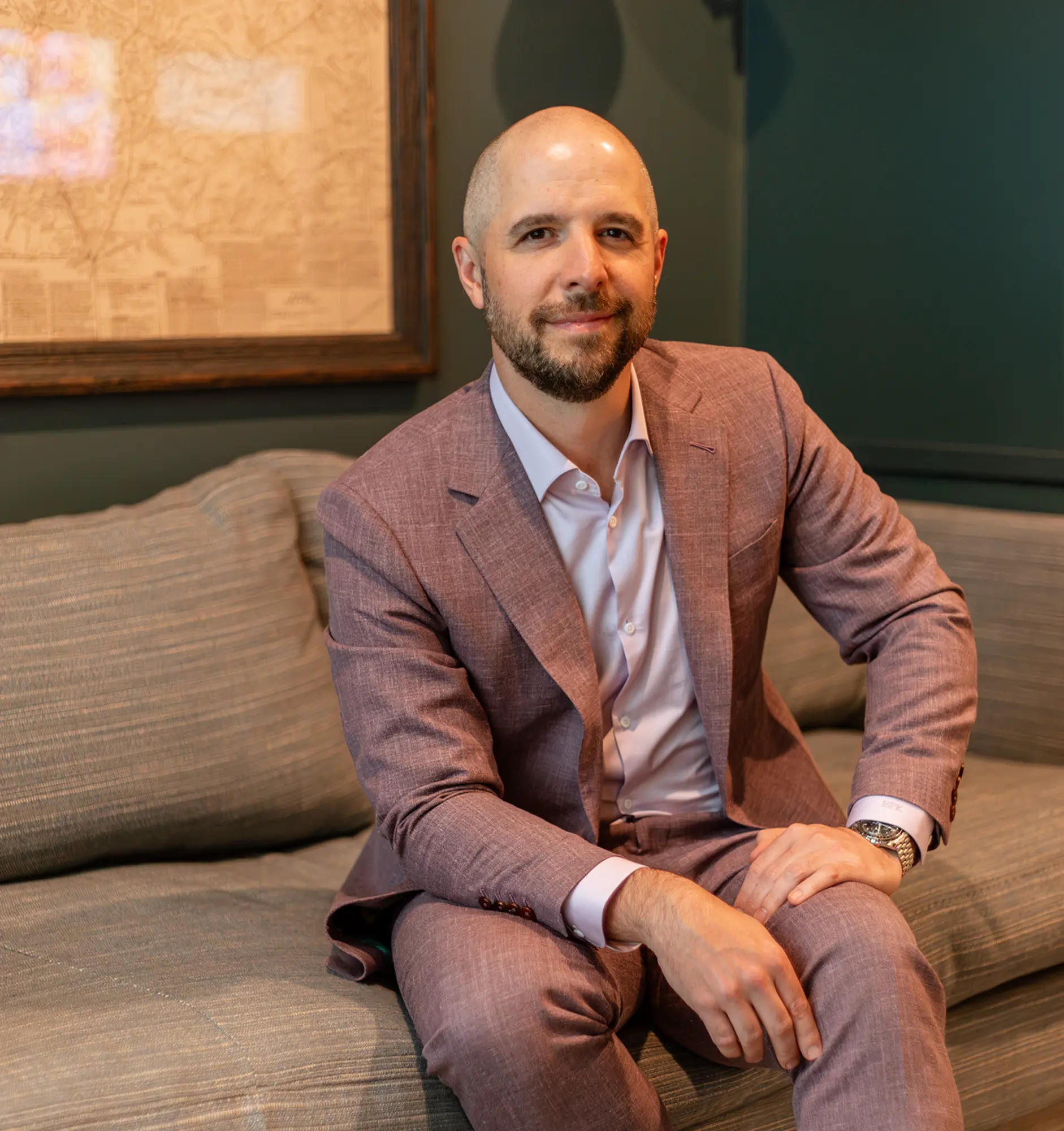

Written by Brian P. Kelley, MD — Dual Board-Certified Plastic & Hand Surgeon
Affiliate Faculty, Dell Medical School at The University of Texas at Austin
Seton Ascension Institute for Reconstructive Plastic and Hand Surgery — Austin, Texas
Medically reviewed: May 27, 2026 · Last updated: May 27, 2026
Educational content. Not a substitute for individualized medical evaluation.
Introduction
If radiation therapy is part of your breast cancer treatment, the reconstruction decision is no longer just a matter of preference — it becomes a question of which approach is likely to give a durable, satisfying result in radiated tissue. The published evidence on this question is among the most consistent in the reconstructive literature, and it has direct implications for the choice between implant-based and autologous (your own tissue) reconstruction. Patients planning their care, and the breast surgical oncologists, medical oncologists, and radiation oncologists who refer them, deserve a clear and honest summary of what the data actually show.
I am a double board-certified plastic reconstructive and hand surgeon in Austin, Texas, an Affiliate Faculty professor at Dell Medical School at The University of Texas at Austin, and a partner at the Seton Ascension Institute for Reconstructive Plastic and Hand Surgery. I take referrals from across Central Texas for breast reconstruction, including the more complex cases involving radiation. My published work in this area includes peer-reviewed systematic reviews in Annals of Surgical Oncology — one as first author on the morbidity of autologous reconstruction with radiation,1 and one as a co-author on the complications of implant-based reconstruction with radiation.2 These reviews and my training at the University of Michigan, alongside the team that has produced much of the most influential modern data on this question, shape how I think about and counsel patients in this setting. This post lays out the evidence and how it should inform the choice.
Why Radiation Changes the Reconstructive Calculus
Radiation is essential treatment for many breast cancer patients — particularly those with locally advanced disease, positive lymph nodes, or specific tumor characteristics. It saves lives and helps prevent recurrence. But radiation also causes permanent changes in the soft tissue of the chest wall, including fibrosis (scarring), microvascular damage, chronic inflammation, and reduced tissue elasticity. This is because radiation directly and permanently damages DNA in cancer and healthy tissues. The worst of these changes persist for years after radiation completes and shape what reconstructive techniques will tolerate and what they will not. Some of the effects of radiation are felt permanently and will always affect the appearance, pain, and reconstruction of the chest and breast tissues.
For an implant placed in radiated skin and soft tissue, this is a difficult environment. The thin mastectomy skin, already compromised by the mastectomy itself, must now tolerate pressure from an implant in tissue that has lost much of its normal elasticity and blood supply. The capsule that naturally forms around any implant tends to be thicker and more contracted in radiated tissue, producing the firm, distorted, often painful condition called capsular contracture. Wound healing is slower. The published complication rates for implant reconstruction in radiated tissue reflect these realities.
For an autologous reconstruction — a flap of the patient's own skin and fat, typically from the lower abdomen (DIEP), with its own blood supply — the situation is fundamentally different. The flap brings new, well-vascularized tissue into the radiated field. While the radiated chest wall around the flap remains affected, the bulk of the reconstruction is healthy, living tissue with its own circulation, and the result is far more durable. Perhaps more importantly, the flap has intact (non-irradiated) DNA and cellular signaling that allows the transferred tissues to work as intended rather than depending upon the damaged, irradiated mastectomy tissues.
Hybrid reconstruction, or a combination of implant and autologous reconstruction can also be useful in this scenario. The autologous tissue helps to cover the implant with non-irradiated tissue that will tend to heal better and reduce infection risk. Meanwhile, the implant can help to add volume to the reconstruction to help achieve a desired reconstruction size.
What the Outcomes Data Show
The evidence on this question is unusually consistent and is worth reviewing in some detail, because it should genuinely inform the choice.
Complication rates in implants with radiation are high. My co-authored systematic review in Annals of Surgical Oncology on implant-based reconstruction in the radiation setting found reconstruction failure rates approaching 20% with either pre- or post-reconstruction radiotherapy.2 Roughly one in five implant reconstructions in radiated tissue fails entirely — meaning the implant has to be removed and the patient is left without the reconstruction she wanted, often requiring conversion to a different approach. The complication rates beyond outright failure — capsular contracture, infection, malposition — are also elevated.
Autologous reconstruction tolerates radiation meaningfully better. My first-authored systematic review on the morbidity of autologous reconstruction in the radiation setting found that complication rates were more stable across the radiation timeline, with a pooled flap fibrosis and contracture rate of approximately 27% but without the dramatic outright failure rates seen with implants.1 Living tissue, with its own blood supply, simply handles radiation better than a foreign device sitting in radiated skin.
Patient-reported outcomes confirm the gap. This is where the most rigorous recent evidence lives. The Mastectomy Reconstruction Outcomes Consortium (MROC)— a large prospective multicenter study — analyzed the impact of radiotherapy on complications and patient-reported outcomes specifically. The findings: among radiated patients, autologous reconstruction was associated with significantly better satisfaction with the breast and better psychosocial well-being on the BREAST-Q at two years compared to implant reconstruction.3 A separate MROC analysis prospectively examined immediate autologous reconstruction in patients requiring post-mastectomy radiation and found that immediate autologous reconstruction in this setting appeared safe and that breast aesthetics and quality of life, evaluated from the patient's perspective, were not compromised by flap exposure to radiation.4
The broader long-term MROC data, looking at patients with and without radiation, similarly find that autologous reconstruction produces higher long-term satisfaction with the breast and better psychosocial and sexual well-being than implant reconstruction at two years, with the gap growing over time.5 A separate cohort study comparing immediate implant-based to immediate autologous reconstruction specifically in patients receiving post-mastectomy radiation reported both higher reconstruction failure and lower patient-reported satisfaction in the implant group.6
The unifying conclusion. For patients who require or have received radiation, the published literature strongly favors autologous reconstruction on both complication and patient-reported outcome grounds. This is not a marginal finding tucked away in one study — it is the consistent direction of the highest-quality evidence over more than a decade.
The Decision: What This Means in Practice
The evidence above does not mean implants are never appropriate in patients who need radiation. It means that the conversation needs to be honest, that staged approaches matter, and that autologous reconstruction deserves serious consideration whenever it is feasible.
Autologous reconstruction is generally the preferred option for patients requiring radiation, when the patient has adequate donor tissue (most often abdomen, alternatively thigh or buttock), is medically able to tolerate the longer microsurgical operation, and is willing to undergo the longer recovery in exchange for the more durable result.
Staged implant reconstruction with appropriate sequencing is the alternative when autologous reconstruction is not feasible or not desired. Often, a tissue expander is placed at the time of mastectomy and holds the space; radiation is completed; once the tissue has matured (typically six to twelve months after radiation), the permanent implant is placed in a separate operation. This staged approach helps mitigate but does not eliminate the elevated complication rates of implant reconstruction in radiated tissue. This approach is often significantly aided by autologous fat grafting.
Hybrid (flap-plus-implant) reconstruction is an option for patients who want flap-based reconstruction but need more volume than the flap alone provides, including some patients with radiation. The flap brings healthy vascularized tissue into the field, and the implant placed behind the flap sits in a much more favorable biological environment than an implant placed under thin radiated mastectomy skin.
Delayed reconstruction after radiation is also a fully legitimate path. A patient can have a mastectomy without reconstruction (or with aesthetic flat closure), complete radiation, allow the tissue to mature, and pursue reconstruction months or years later. Many patients are best served by this approach when the cancer treatment timeline is uncertain or when they want time to consider options thoughtfully.
The decision between these is individualized and is best made jointly with the breast surgical oncologist, the radiation oncologist, and a reconstructive surgeon experienced with the full range of options.
Recovery and Healing Timeline
Recovery depends on which approach is chosen. Autologous reconstruction with radiation has a recovery comparable to autologous reconstruction in non-radiated patients — a hospital stay of several days, drains for several weeks, restricted activity for six to eight weeks, with continued refinement (fat grafting, scar work, contralateral symmetry) over the following months. When radiation is delivered after immediate autologous reconstruction, the flap is in place during radiation and may experience some softening or contour change over time, which can usually be improved with fat grafting and refinement procedures.
Staged implant reconstruction with radiation is a longer overall process. The expander is placed at mastectomy, expansion proceeds over weeks to months, radiation is delivered with the expander in place (specific timing varies by institution), and the exchange to a permanent implant typically occurs six to twelve months after radiation completes, with continued refinement after.
For all approaches, the full result of reconstruction unfolds over many months to a year or more, and the realistic timeline should be part of the planning conversation.
Risks
In addition to the risks of surgery and anesthesia, the general risks of breast reconstruction apply — bleeding, infection, hematoma, seroma, wound healing problems, unsatisfactory aesthetic result — and several radiation-specific considerations layer on top.
For implant reconstruction in radiation: substantially elevated rates of capsular contracture, implant malposition, infection, wound healing problems, and reconstruction failure (approaching one in five in pooled data). The radiated skin envelope is less forgiving of any complication.
For autologous reconstruction in radiation: elevated rates of fat necrosis and flap fibrosis (pooled rate around 27% in irradiated flaps), which may produce contour irregularities that benefit from later fat grafting. Outright flap loss in experienced hands remains uncommon. The donor site is unaffected by the radiation, since the radiated field is the chest, not the donor area.
For hybrid reconstruction in radiation: the risks reflect a combination of flap and implant considerations, with the implant in a more favorable environment than in pure implant reconstruction.
A Note on Local Care in Central Texas
Patients in Austin and across Central Texas who are facing reconstruction in the setting of radiation deserve a consultation with a reconstructive surgeon experienced in the full range of options, including microsurgical autologous reconstruction. The decision between approaches, the timing of operations relative to radiation, and the management of complications all benefit from an experienced reconstructive team coordinated with the patient's radiation oncology and breast surgical oncology teams. Referrals from physicians across Central Texas are welcome, and second opinions are reasonable for any patient facing this decision.
Related Topics
- Breast reconstruction overview
- Implant vs. autologous breast reconstruction: how to choose
- DIEP flap breast reconstruction
- Hybrid breast reconstruction: flap with implant combined
- Direct-to-implant breast reconstruction explained
- Revising a breast reconstruction done in the past
- DIEP flap recovery timeline
- Autologous fat grafting
Frequently Asked Questions
The published evidence consistently favors autologous (your own tissue) reconstruction over implant-based reconstruction when radiation is required or has been given. Both complication rates and patient-reported outcomes — measured by validated tools like the BREAST-Q in large prospective multicenter studies — favor autologous reconstruction in this setting. Implant reconstruction is still possible, but the failure rate approaches one in five in radiated tissue, and patient satisfaction tends to be lower.
Yes, in many cases — but the conversation should be honest about the elevated risk. Reconstruction failure rates for implant reconstruction in the setting of radiation approach 20% in pooled data, and patient-reported satisfaction tends to be lower than for autologous reconstruction in the same setting. When implant reconstruction is chosen, a staged approach with a tissue expander during radiation and the permanent implant placed afterward helps reduce, but does not eliminate, the elevated complication rates.
Hybrid reconstruction is also still a viable consideration to add volume to autologous based reconstruction if that's a primary concern.
The timing depends on the specific reconstructive approach and the patient's oncologic plan. For implant reconstruction, a staged approach with an expander during radiation and exchange to the permanent implant after radiation is standard. With direct-to-implant, the implant placed is often used as a temporary reconstruction and significant revisions are likely to be necessary or transition to autologous after radiation. For autologous reconstruction, prospective data from the Mastectomy Reconstruction Outcomes Consortium support immediate autologous reconstruction in select patients with planned post-mastectomy radiation, with patient-reported outcomes not compromised by flap exposure to radiation. Delayed reconstruction — performed after radiation completes — is also a legitimate option for any approach. I tend to recommend waiting 6 months after radiation finishes to complete next stages in reconstruction based on the research.
Autologous reconstruction — most commonly the DIEP flap — produces the most durable result in radiated tissue. Living tissue with its own blood supply tolerates the radiated environment far better than an implant, which sits in tissue that has lost much of its normal elasticity and vascularity. Long-term satisfaction with autologous reconstruction tends to be higher and to remain stable over years, while implant satisfaction tends to decline over time, particularly in radiated tissue. If given the choice, the reconstruction is even more durable when the autologous tissue is transferred in staged fashion after the radiation is finished.
Yes. Conversion of a failed or unsatisfying implant reconstruction to autologous reconstruction is a recognized procedure and one I am asked to perform regularly. The implant (and usually the capsule) is removed and the breast is rebuilt with the patient's own tissue. Patients with radiation-related implant problems — capsular contracture, chronic pain, distortion, or outright failure — often experience meaningful improvement after conversion to autologous reconstruction.
Delayed reconstruction with autologous tissue is also the preferred technique for achieving a durable reconstruction in patients who either did not have any immediate reconstruction and stayed flat or those that lost their implant or expander to infection.
Radiation does increase complication rates in autologous reconstruction compared to non-radiated patients, including elevated rates of fat necrosis and flap fibrosis (pooled rate around 27%). However, the magnitude of this increase is much smaller than for implant reconstruction, outright flap loss in experienced hands remains uncommon, and the published patient-reported outcomes for autologous reconstruction with radiation are favorable. Refinement procedures such as fat grafting are often used to address radiation-related contour changes. However, to keep success rates high, we often delay autologous transfer until about 6 months after the radiation finishes.
A consultation with a reconstructive surgeon experienced in the full range of options — including microsurgical autologous reconstruction — is the appropriate first step. The decision involves the breast surgical oncologist, the radiation oncologist, and the reconstructive surgeon, and is best made together. Patients can be referred by their treating physician or contact a reconstructive practice directly. As a reconstructive microsurgeon in Austin, I see patients from across Central Texas for exactly this kind of decision.
1. Kelley BP, Ahmed R, Kidwell KM, Kozlow JH, Chung KC, Momoh AO. A systematic review of morbidity associated with autologous breast reconstruction before and after exposure to radiotherapy: are current practices ideal? Annals of Surgical Oncology. 2014;21(5):1732–1738. PMID: 24473643.
2. Momoh AO, Ahmed R, Kelley BP, Aliu O, Kidwell KM, Kozlow JH, Chung KC. A systematic review of complications of implant-based breast reconstruction with prereconstruction and postreconstruction radiotherapy. Annals of Surgical Oncology. 2014;21(1):118–124. PMID: 24081801.
3. Jagsi R, Momoh AO, Qi J, Hamill JB, Billig J, Kim HM, Pusic AL, Wilkins EG. Impact of Radiotherapy on Complications and Patient-Reported Outcomes After Breast Reconstruction. Journal of the National Cancer Institute. 2018;110(2):157–165. PMID: 28954300.
4. Billig J, Jagsi R, Qi J, Hamill JB, Kim HM, Pusic AL, Buchel E, Wilkins EG, Momoh AO. Should Immediate Autologous Breast Reconstruction Be Considered in Women Who Require Postmastectomy Radiation Therapy? A Prospective Analysis of Outcomes. Plastic and Reconstructive Surgery. 2017;139(6):1279–1288. PMID: 28198770.
5. Santosa KB, Qi J, Kim HM, Hamill JB, Wilkins EG, Pusic AL. Long-term Patient-Reported Outcomes in Postmastectomy Breast Reconstruction. JAMA Surgery. 2018;153(10):891–899. PMID: 29926096.
6. Reinders FCJ, Young-Afat DA, Batenburg MCT, Bruekers SE, van Amerongen EA, Macaré van Maurik JFM, Braakenburg A, Zonnevylle E, Hoefkens M, Teunis T, Verkooijen HM, van den Bongard HJGD, Maarse W. Higher reconstruction failure and less patient-reported satisfaction after post mastectomy radiotherapy with immediate implant-based breast reconstruction compared to immediate autologous breast reconstruction. Breast Cancer. 2020;27(3):435–444. PMID: 31858435.
7. Pusic AL, Klassen AF, Scott AM, Klok JA, Cordeiro PG, Cano SJ. Development of a new patient-reported outcome measure for breast surgery: the BREAST-Q. Plastic and Reconstructive Surgery. 2009;124(2):345–353. PMID: 19644246.
8. Breastcancer.org — breast reconstruction and radiation resources: https://www.breastcancer.org/treatment/surgery/breast-reconstruction/corrective-reconstruction/radiation-therapy-effects.
Closing Disclaimer
This article is educational and does not establish a doctor-patient relationship. It does not replace individualized consultation, examination, or review of personal medical history. Patients facing breast reconstruction in the setting of radiation are encouraged to consult a reconstructive surgeon experienced with the full range of options, in coordination with their breast surgical oncology and radiation oncology teams.



Want to learn more?
Book a consultation