Finding a Peripheral Nerve Surgeon in Texas
Peripheral nerve problems — nerve injuries, painful neuromas, compression syndromes that haven't responded to treatment, and chronic nerve pain — are among the more specialized problems in surgery, and finding the right surgeon can be difficult. Dr. Brian Kelley, a fellowship-trained nerve and microsurgeon in Austin, explains what peripheral nerve surgery covers, why specialized training and experience matter for these microsurgical procedures, what to look for in a surgeon, and how patients and referring providers can find one in Central Texas.
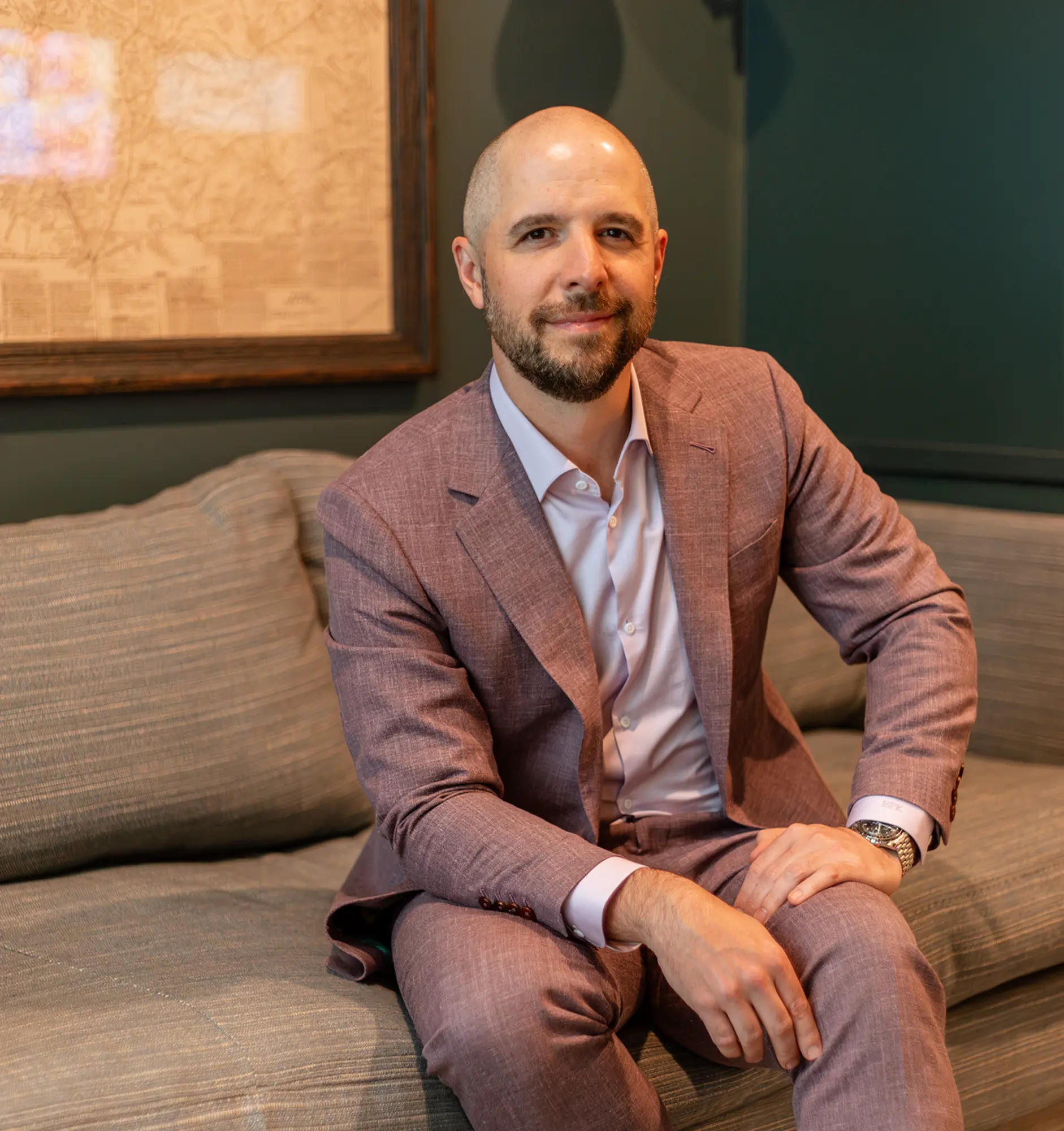

Written by Brian P. Kelley, MD — Dual Board-Certified Plastic & Hand Surgeon
Affiliate Faculty, Dell Medical School at The University of Texas at Austin
Seton Ascension Institute for Reconstructive Plastic and Hand Surgery — Austin, Texas
Medically reviewed: May 10, 2026 · Last updated: May 10, 2026
Educational content. Not a substitute for individualized medical evaluation.
Introduction
Peripheral nerve problems — nerve injuries, painful neuromas, compression syndromes that have not responded to standard treatment, nerve tumors, and chronic nerve pain — are among the more specialized problems in surgery, and finding the right surgeon for them can be genuinely difficult. Patients and referring physicians across Texas search for terms like "nerve pain specialist," "neuroma surgeon," or "nerve injury doctor" precisely because these are not problems that every surgeon manages, and because the path to the right specialist is not always obvious.
I am a double board-certified plastic reconstructive and hand surgeon in Austin, Texas, with residency and fellowship-level training in hand and microsurgery, an Affiliate Faculty professor at Dell Medical School at The University of Texas at Austin, and a partner at the Seton Ascension Institute for Reconstructive Plastic and Hand Surgery. I take referrals from across Central Texas for complex peripheral nerve problems, and I trained at the University of Michigan, one of the institutions most central to the modern development of regnerative peripheral nerve surgery. This article is written to help patients and referring providers understand what peripheral nerve surgery is, what kind of training and experience matter for these procedures, and how to find an appropriately qualified surgeon in Texas.
What Peripheral Nerve Surgery Covers
Peripheral nerve surgery addresses problems of the nerves outside the brain and spinal cord — the nerves that travel through the limbs, trunk, and face. The range of problems it covers includes:
Nerve compression syndromes, particularly complex, recurrent, or atypical cases (carpal tunnel and cubital tunnel that have failed prior treatment, less common compressions, and compressions with confusing presentations). Nerve injuries from trauma, including lacerations, stretch injuries, and nerves damaged during other operations, which may require repair, grafting, or nerve transfer. Painful neuromas — the disorganized, hyperexcitable nerve endings that form after a nerve is cut, including after amputation — which can be treated with techniques such as targeted muscle reinnervation (TMR) and regenerative peripheral nerve interface (RPNI). Nerve tumors, including benign nerve sheath tumors. Chronic nerve pain that has not responded to non-surgical management and has an identifiable nerve source. And nerve transfers to restore function after nerve injury, where a working nerve is rerouted to power a muscle that has lost its nerve supply.
Many of these procedures are microsurgical — performed under an operating microscope, working on structures a few millimeters in size — and require both specialized training and specialized equipment.
Why Training and Specialization Matter for These Procedures
This is the part patients and referring providers most often ask about, and it deserves an honest, evidence-based answer rather than marketing.
Peripheral nerve surgery and microsurgery are technically demanding, and the published literature across surgical fields consistently shows a relationship between specialized training, case volume, and outcomes for complex procedures. In microsurgical reconstruction specifically, a national population study of free tissue transfer found that hospital volume, surgeon volume, and surgeon experience were associated with complications and 30-day rehospitalization rates.1 A detailed analysis of microsurgical reconstruction found that high-volume hospitals had roughly a 47% lower risk of inpatient complications, while also noting — importantly and honestly — that surgeon and programmatic experience may matter more than raw hospital volume alone.2 The broader surgical literature, across many procedures, supports the general principle that for complex, specialized operations, the experience and focus of the surgeon and the team are associated with better outcomes.
There is also a documented training gap specific to peripheral nerve surgery. Surveys of surgical trainees have found that many general trainees report inadequate exposure to peripheral nerve procedures during residency, and that case volumes in peripheral nerve surgery have lagged behind other areas. This is part of why dedicated fellowship training and subspecialty focus matter for these particular problems: peripheral nerve surgery is an area where general training alone often does not provide deep exposure, and where surgeons who have specifically pursued additional training and who concentrate their practice in this area bring relevant, focused experience.
To be clear and fair about this: a surgeon's training background is one factor among several, not a guarantee, and many excellent surgeons come from different training pathways or backgrounds. The honest framing is not that any single credential makes a surgeon definitively superior, but that for specialized microsurgical nerve procedures, fellowship training in hand and microsurgery, a practice focused on these problems, and familiarity with the full range of modern techniques are genuinely relevant qualifications worth looking for.
My Training Background
For patients and referring providers evaluating whether my background fits their needs, here is the relevant context.
I completed medical school at Baylor College of Medicine, followed by residency in plastic surgery and microsurgery and a fellowship in hand surgery at the University of Michigan. Hand surgery lends itself to some of the most difficult microsurgical problems - such as digital replantation. Michigan is one of the institutions most central to the modern development of peripheral nerve surgery — it is where the regenerative peripheral nerve interface (RPNI) technique for neuroma and amputation pain was developed, and I trained there during the period when these techniques were being pioneered. My practice concentrates on reconstructive plastic surgery, hand and wrist surgery, and peripheral nerve surgery, and my published work includes peer-reviewed research in peripheral nerve surgery and a systematic review on postoperative pain management in hand surgery.3,4
This combination — plastic surgery and hand surgery board certification, dedicated microsurgical fellowship training, training at an institution central to peripheral nerve innovation, and a practice focused on these problems — is the kind of background that is well suited to complex microsurgical nerve procedures. It is the reason I am comfortable taking referrals for the more difficult nerve problems that general practice may not frequently encounter.
What to Look for in a Peripheral Nerve Surgeon
For patients and referring providers in Texas trying to identify an appropriate surgeon, several concrete things are worth checking:
Board certification and fellowship training. Look for board certification in a relevant specialty (plastic surgery, orthopedic surgery, or neurosurgery) and, for complex nerve work, additional fellowship training in hand surgery, microsurgery, or peripheral nerve surgery. Fellowship training signals dedicated, supervised experience beyond general residency.
A practice focused on these problems. A surgeon who regularly performs nerve repairs, nerve transfers, neuroma surgery, and procedures like TMR and RPNI is likely to have more relevant experience than one who encounters these problems occasionally. It is reasonable to ask a surgeon how often they perform the specific procedure being considered.
Microsurgical capability. Many nerve procedures are microsurgical. Confirm that the surgeon and the facility are equipped for microsurgery when the procedure requires it.
Society membership. Membership in organizations such as the American Society for Peripheral Nerve, the American Society for Surgery of the Hand, and the American Society of Plastic Surgeons reflects engagement with the specialty. These societies also maintain public directories that can help locate qualified surgeons.
A multidisciplinary approach. Complex nerve problems often benefit from a team — including hand therapists, pain specialists, and rehabilitation specialists — and a surgeon connected to that kind of network can coordinate more comprehensive care. In my practice, I work with neurosurgery and orthopedic surgery regularly. I also have the benefit of a robust partner group of hand and microsurgeons who are available to partner with me on the most complex cases.
Willingness to give an honest assessment. A good specialist will tell you honestly whether surgery is likely to help, what the realistic range of outcomes is, and when non-surgical management is the better path. Be cautious of any provider who promises certain relief, as honest specialists describe realistic expectations rather than guarantees.
How to Find One in Central Texas
Several practical routes to finding a peripheral nerve surgeon in the Austin and Central Texas area:
Referral from your current physician. Your primary care physician, hand surgeon, neurologist, or pain specialist can often refer you to a peripheral nerve specialist. Referring physicians who encounter a nerve problem outside their scope are an important route, and I welcome referrals from across Central Texas.
Specialty society directories. The American Society for Peripheral Nerve, the American Society for Surgery of the Hand, and the American Society of Plastic Surgeons all maintain searchable online directories of members by location, which can identify qualified surgeons in Texas.
Academic medical centers. Academic centers, including those affiliated with medical schools, often concentrate specialized expertise and are reasonable places to seek complex nerve care. In Central Texas, Dell Medical School at The University of Texas at Austin is the region's academic medical center. Associated hospitals include Dell Children's Medical Center and Seton Medical Center Austin.
Second opinions. For a complex nerve problem, or when you have been told nothing can be done, seeking a second opinion from a peripheral nerve specialist is reasonable and often worthwhile. Many times we'll agree with the primary physicians opinion! However, nerve problems are an area where specialized evaluation sometimes identifies treatable causes that a general evaluation missed.
What to Expect at a Peripheral Nerve Consultation
A consultation with a peripheral nerve surgeon typically begins with a detailed history and a focused physical examination, because — as I discuss in other articles — the diagnosis of many nerve problems is fundamentally clinical. The surgeon may review or order imaging (such as high-resolution nerve ultrasound or MRI) or electrodiagnostic testing (EMG and nerve conduction studies), while understanding that these tests have limits and do not replace clinical judgment. The surgeon should explain the likely diagnosis, the range of treatment options including non-surgical management, and the realistic expectations for any proposed surgery, including recovery and risks.
For many nerve problems, non-surgical management is appropriate first, and surgery is considered when conservative measures have not worked or when the problem clearly warrants it. When surgery is appropriate, the recovery and healing timeline depend heavily on the specific procedure and on the slow pace of nerve regeneration — nerve recovery is measured in months, and a good specialist will set that expectation clearly.
Related Topics
- Peripheral nerve surgery, RPNI, and TMR
- TMR vs. RPNI: what is the difference?
- Targeted muscle reinnervation (TMR) for amputees
- When your EMG is normal but the pain is real
- Nerve repair and reconstruction
- Nerve decompression surgery
Frequently Asked Questions
A peripheral nerve surgeon is a surgeon with specialized training in problems of the nerves outside the brain and spinal cord — nerve injuries, painful neuromas, compression syndromes, nerve tumors, and chronic nerve pain. These surgeons typically come from plastic surgery, orthopedic surgery, or neurosurgery backgrounds and have additional fellowship training in hand surgery, microsurgery, or peripheral nerve surgery. Many of the procedures are microsurgical.
You can find a peripheral nerve specialist through a referral from your physician, through the searchable directories maintained by the American Society for Peripheral Nerve and the American Society for Surgery of the Hand, or through academic medical centers such as Dell Medical School at The University of Texas at Austin. For complex problems, or if you have been told nothing can be done, a second opinion from a peripheral nerve specialist is reasonable.
The published surgical literature consistently shows that for complex, specialized procedures, surgeon experience, case volume, and specialized training are associated with better outcomes - though not specifically directed at nerve surgery. There is also a documented gap in peripheral nerve training among general surgical trainees. While training background is one factor among several and not a guarantee, fellowship training in hand and microsurgery and a practice focused on nerve problems are genuinely relevant qualifications for complex microsurgical nerve procedures.
Painful neuromas and chronic nerve pain with an identifiable nerve source are treated by peripheral nerve surgeons — typically plastic, orthopedic, or neurosurgeons with additional training in hand, microsurgery, or peripheral nerve surgery. Modern techniques for neuroma and amputation-related pain include targeted muscle reinnervation (TMR) and regenerative peripheral nerve interface (RPNI). Non-surgical pain management is also part of comprehensive care.
Yes, second opinions are reasonable and often worthwhile for complex nerve problems, particularly if you have persistent symptoms, have been told nothing can be done, or face a major decision about surgery. Peripheral nerve surgery is an area where specialized evaluation sometimes identifies treatable causes that a more general evaluation did not, so a focused assessment by a specialist can be valuable.
This depends on your insurance plan rather than on any medical requirement — some plans require a referral to see a specialist, while others allow direct booking. Many patients are referred by their primary care physician or another specialist, but you can also identify a peripheral nerve surgeon yourself through society directories and contact the office to ask about their referral and scheduling process.
Reasonable questions include: What is your training background, and are you fellowship-trained in hand, microsurgery, or peripheral nerve surgery? How often do you perform the specific procedure I may need? What are the realistic expectations for recovery and outcome? What are the non-surgical options? And what are the risks? A good specialist will answer these honestly and describe realistic expectations rather than guarantees.
1. Mahmoudi E, Lu Y, Chang SC, Lin CY, Wang YC, Chang CJ, Cheng MH, Chung KC. The Associations of Hospital Volume, Surgeon Volume, and Surgeon Experience with Complications and 30-Day Rehospitalization after Free Tissue Transfer: A National Population Study. Plastic and Reconstructive Surgery. 2017;140(2):403–411. PMID: 28746290.
2. Reid CM, Parmeshwar N, Brandel MG, Crisera CA, Herrera FA, Suliman AS. Detailed analysis of the impact of surgeon and hospital volume in microsurgical breast reconstruction. Microsurgery. 2020;40(6):670–678. PMID: 32304337.
3. Hooper RC, Cederna PS, Brown DL, Haase SC, Waljee JF, Egeland BM, Kelley BP, Kung TA. Regenerative Peripheral Nerve Interfaces for the Management of Symptomatic Hand and Digital Neuromas. Plastic and Reconstructive Surgery — Global Open. 2020;8(6):e2792. PMID: 32766027.
4. Kelley BP, Shauver MJ, Chung KC. Management of Acute Postoperative Pain in Hand Surgery: A Systematic Review. Journal of Hand Surgery (American). 2015;40(8):1610–1619. PMID: 26213198.
5. American Society for Peripheral Nerve — surgeon directory and patient education: https://www.peripheralnerve.org/.
6. American Society for Surgery of the Hand — find a hand surgeon: https://www.assh.org/.
7. American Society of Plastic Surgeons — find a plastic surgeon: https://www.plasticsurgery.org/.
Closing Disclaimer
This article is educational and does not establish a doctor-patient relationship. It does not replace individualized consultation, examination, or review of personal medical history. Patients and referring providers seeking peripheral nerve care are encouraged to consult a qualified peripheral nerve specialist to discuss the specific situation and options.


Want to learn more?
Book a consultation