Peripheral Nerve Surgery

21.6.2026
Nerve Pain After Knee or Hip Replacement: The Overlooked Diagnosis
Persistent pain after knee or hip replacement isn't always the implant. Dr. Brian Kelley, an Austin nerve surgeon, explains the overlooked nerve diagnosis — infrapatellar saphenous neuroma after knee replacement, meralgia paresthetica after hip replacement, and peroneal nerve injury causing foot drop. Covers how to tell nerve pain from mechanical joint problems, why ruling out the joint comes first, who benefits from surgery, and an honest look at the evidence.

5.6.2026
Nerve Pain After Breast Cancer Radiation and Mastectomy: When Surgery Helps
Struggling with chronic chest or arm pain after breast cancer? Austin-based peripheral nerve specialist and breast reconstruction surgeon Dr. Brian P. Kelley explains how post-mastectomy neuromas and radiation neuritis—not your breast reconstruction — may be the true cause. We discuss evidence-based treatments and options for advanced nerve surgeries like TMR and RPNI. Learn how targeted nerve surgery might provide meaningful pain relief while potentially preserving your breast reconstruction.
2.6.2026
Nerve Transfers vs. Nerve Grafts: How Surgeons Choose
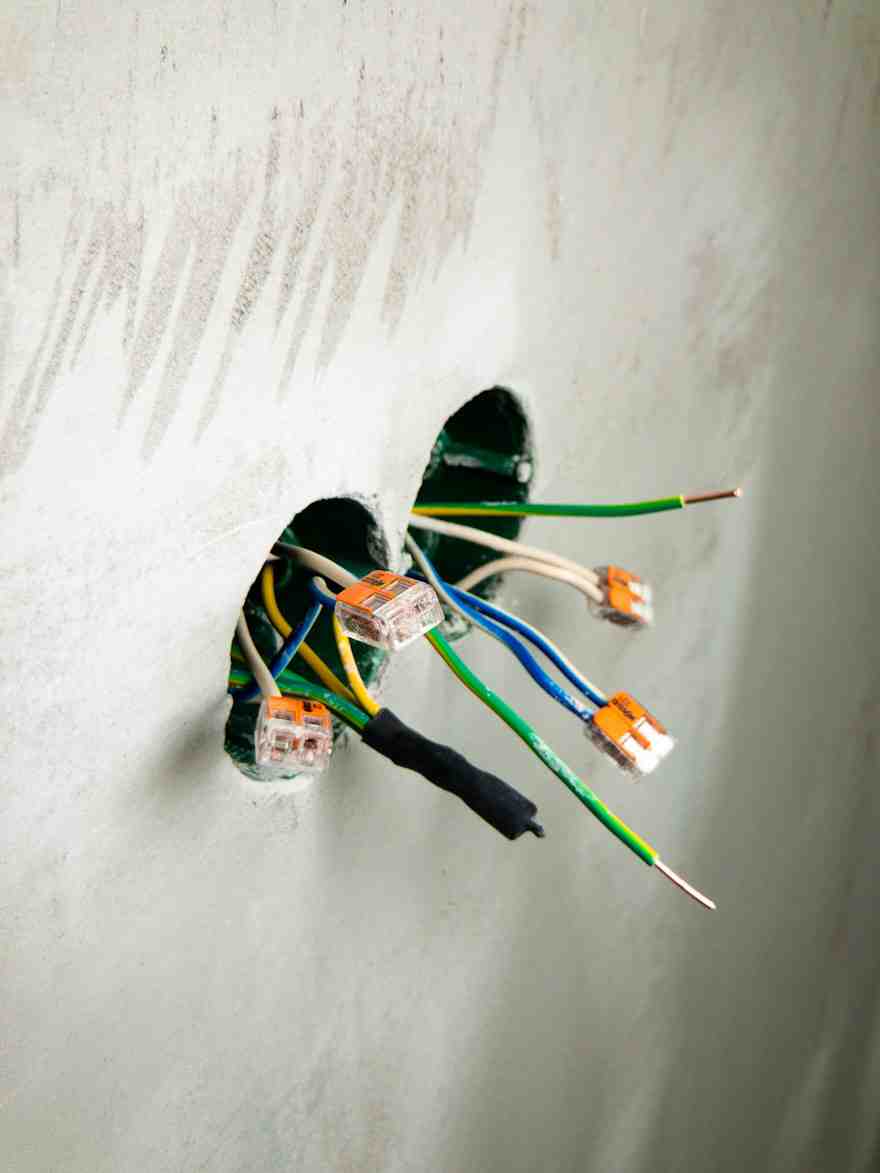
Nerve graft or nerve transfer? Dr. Brian Kelley, dual board certified nerve surgeon in Austin, walks through the two strategies, where each works best, and how the choice is actually made — covering motor and sensory nerves, hand and brachial plexus and lower-extremity considerations, modern adjuncts including processed nerve allograft, and why timing matters. Patient-reported outcomes data and a framework for selecting a surgeon included.

1.6.2026
Painful Neuroma After Prior Surgery: Causes, Treatment, and When to See a Specialist
A painful neuroma after surgery is a focal, treatable cause of chronic post-surgical pain that is often missed. Dr. Brian Kelley, an Austin nerve surgeon, walks through where neuromas form after specific operations — mastectomy and cancer resection, hernia repair, knee and joint surgery, and facial surgery — and what modern treatment looks like, including traditional excision and modern techniques like TMR and RPNI. PRO data and specialist evaluation criteria included.

30.5.2026
Chronic Groin Pain After Hernia Surgery: When a Nerve Is the Cause
Chronic groin pain after hernia repair affects up to 18% of open repair patients, with 10–12% reporting clinically significant pain. Dr. Brian Kelley, an Austin nerve surgeon, walks through how to distinguish nerve injury from mesh-related causes, hernia recurrence, and other contributors, plus treatment options from diagnostic blocks through selective neurectomy, triple neurectomy, and modern adjuncts including TMR and RPNI. Randomized trial outcomes data included.

30.5.2026
Persistent Pain or Loss of Function After Nerve Surgery: When to Seek a Second Opinion
Patients who have had peripheral nerve surgery generally do well, but when surgery doesn't deliver the expected result and significant pain or loss of function persists, the experience is uniquely difficult. Dr. Brian Kelley, a fellowship-trained hand and peripheral nerve surgeon in Austin, explains when a second opinion is reasonable, why specialist experience matters for complex nerve revision, what the evaluation actually involves, and what options exist — including when more surgery is and isn't the answer.

25.5.2026
Targeted Muscle Reinnervation (TMR) for Amputees: A Patient's Guide
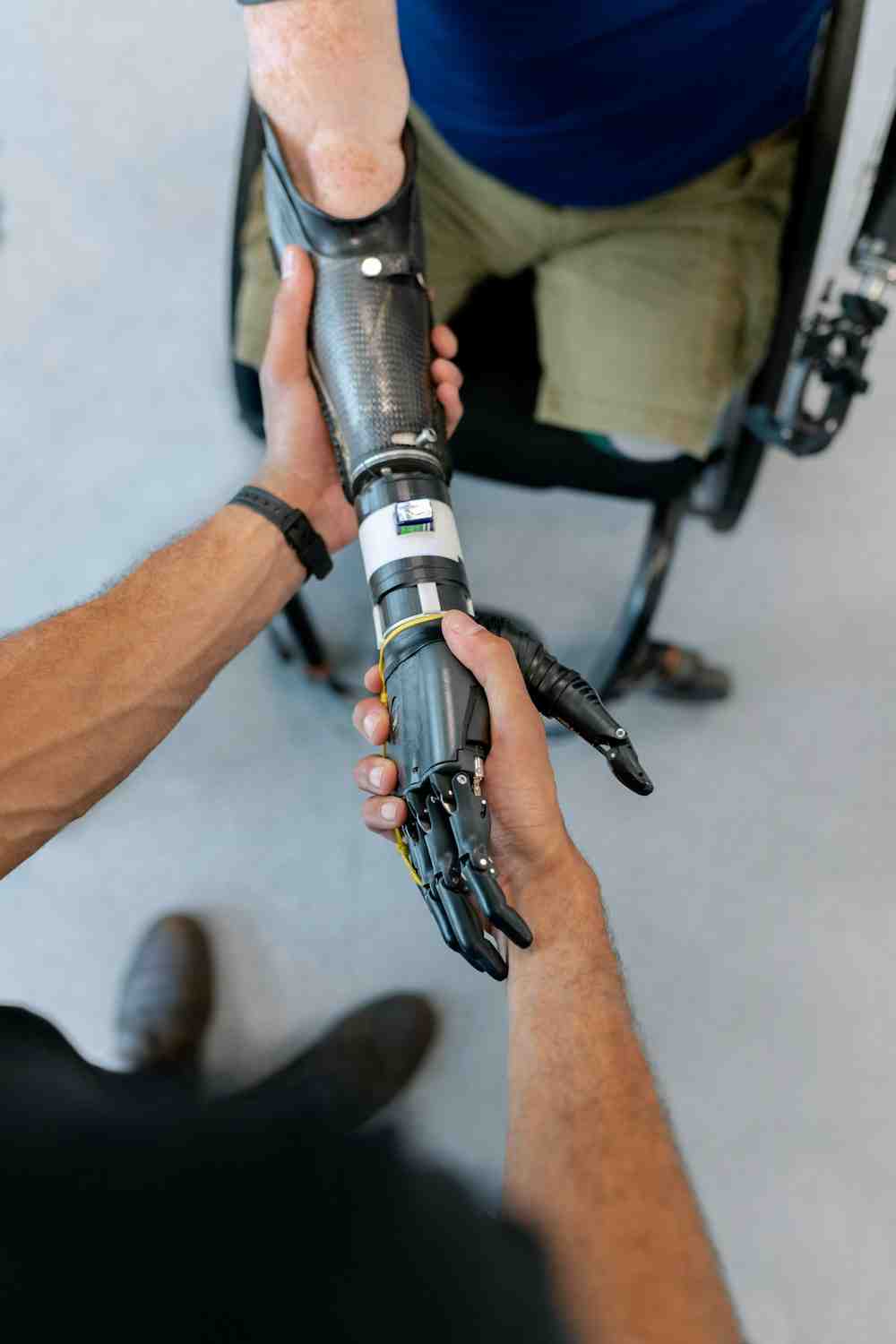
For many amputees, the hardest part of life after amputation is the pain. Targeted muscle reinnervation (TMR) is a surgery that reroutes cut nerves to nearby muscles, giving them a target and preventing the painful neuromas behind phantom limb and residual limb pain. Dr. Brian Kelley, trained in nerve surgery at the University of Michigan, explains how TMR works, what recovery involves, and what the patient-reported outcomes data show — including durable pain relief and reduced opioid use.
22.5.2026
TMR vs. RPNI: What Is the Difference?
Targeted muscle reinnervation (TMR) and regenerative peripheral nerve interface (RPNI) both give a divided nerve a new target after amputation, preventing painful neuromas and enabling prosthetic control. TMR reroutes the nerve into an existing muscle; RPNI wraps it in a small free muscle graft. Dr. Brian Kelley, trained at the University of Michigan where RPNI was pioneered, explains how the two differ, when each is used, and what the published outcomes show.
17.5.2026
Persistent Symptoms After Carpal Tunnel or Cubital Tunnel Release
Most patients do well after carpal tunnel or cubital tunnel release, but a meaningful minority have symptoms that persist, recur, or never fully resolve — and the experience is discouraging. Dr. Brian Kelley, a hand and peripheral nerve surgeon in Austin, explains why decompression sometimes doesn't produce complete relief, what the published outcomes data actually show, the role of repeat EMG before revision, and what options exist — including when nerve reconstruction is needed.

13.5.2026
When Your EMG Is Normal but the Pain Is Real
Being told your nerve test is normal when the pain is unmistakably real is frustrating — and the assumption behind it is wrong. A normal EMG does not rule out nerve compression. Dr. Brian Kelley, a hand and peripheral nerve surgeon in Austin, explains why these tests miss many real cases — from carpal and cubital tunnel to small-fiber neuropathy and other compression syndromes — how the diagnosis is actually made, and when treatment is appropriate despite normal testing.

10.5.2026
Finding a Peripheral Nerve Surgeon in Texas
Peripheral nerve problems — nerve injuries, painful neuromas, compression syndromes that haven't responded to treatment, and chronic nerve pain — are among the more specialized problems in surgery, and finding the right surgeon can be difficult. Dr. Brian Kelley, a fellowship-trained nerve and microsurgeon in Austin, explains what peripheral nerve surgery covers, why specialized training and experience matter for these microsurgical procedures, what to look for in a surgeon, and how patients and referring providers can find one in Central Texas.

10.5.2026
What to Expect After RPNI Surgery for Nerve Pain
Regenerative Peripheral Nerve Interfaces (RPNIs) for established nerve pain work by giving divided nerves a new target, but relief develops over months, not weeks. The incision heals quickly; the nerve reorganizes slowly. Dr. Brian Kelley, trained at the University of Michigan where RPNI was pioneered, explains the recovery timeline, how nerve perception changes month by month, what imaging shows during healing, and the realistic outcomes and risks based on real evidence.

10.5.2026
Breast Sensation After Mastectomy: What to Expect, What Surgery Can and Cannot Do
Breast sensation after mastectomy is typically reduced or absent, and a subset of patients develop chronic post-mastectomy pain. Nerve grafting, allograft, and innervated flap techniques can improve sensation in some patients, but normal pre-mastectomy sensation is essentially never restored. Dr Brian Kelley helps to summarize and explain the latest science.
Want to learn more?
Book a consultation